
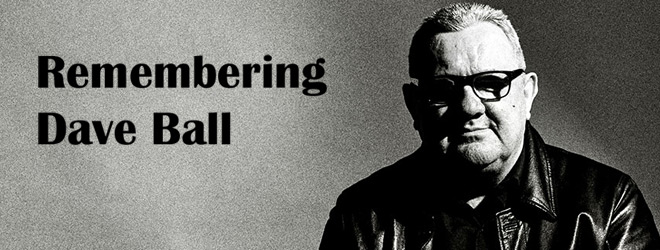
British musician, composer, and producer Dave Ball, best known as half of the Synthpop duo Soft Cell, sadly passed away on October 22, 2025, at the age of 66. It goes without saying that many recognize that Soft Cell’s 1981 massive hit single “Tainted Love” became one of the defining hits of the new wave era. Marc Almond, Ball’s musical partner for 46 years, announced Ball’s death through an online statement. With this in mind, Soft Cell are considered pioneers of 1980s sound and have been cited as an influence by artists such as Pet Shop Boys, Erasure, Nine Inch Nails, Marilyn Manson, and Charli XCX.
Looking more closely at Dave Ball’s life, he first met Marc Almond when they were both art students at Leeds Polytechnic in England. Finding an artistic connection, they soon formed Soft Cell in 1978 and signed with Some Bizzare Records in the UK and Sire in the US. From here, their aforementioned 1981 single, a reworked cover of Gloria Jones’s “Tainted Love,” became a No. 1 hit in 17 countries. Tainted Love” also became a massive hit in the United States and set a Guinness World Record at the time for the longest consecutive run of 43 weeks on the US Billboard Hot 100 chart. The A-side of the 12-inch single of “Tainted Love” featured a two-song medley that blended into the Motown classic “Where Did Our Love Go,” a song originally recorded by the Supremes in 1964.
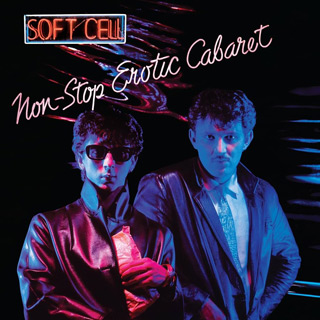
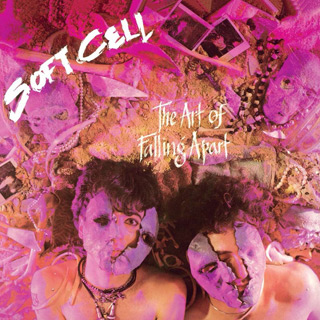
However, Soft Cell was much more than one song, because when they emerged in the early 1980s, Marc Almond and Dave Ball took Synthpop to a dark, decadent, exciting, and theatrical level. S ft Cell uniquely combined Cabaret and Glam Rock with Post-Punk and pure Pop. Other Synthpop acts like the Human League or early Depeche Mode aimed for sleeker, futuristic sounds. This is, whereas Soft Cell was driven by Dave Ball’s cinematic sensibility and mechanical style. His drum machines and keyboards gave Soft Cell their distinctive sound, with a stripped-down electronic edge that was both raw and melodic.
Furthermore, Marc Almond was not your typical New Wave frontman, either. His theatrical, cabaret-inspired delivery mixed vulnerability and melodrama. He also sang about love, obsession, and loneliness. Together with Ball, their danceable Electronic music with Pop sensibilities quickly put them at the forefront.
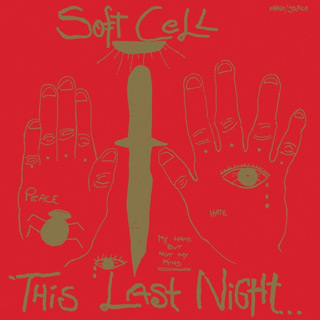
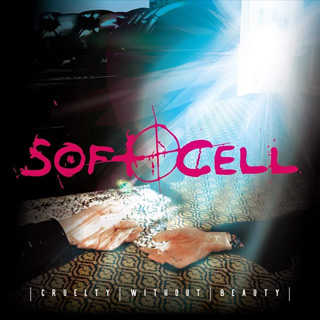
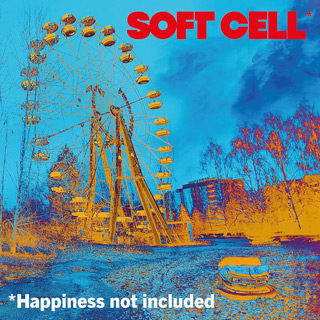
Their albums include: 1981’s Non-Stop Erotic Cabaret, 1983’s The Art of Falling Apart, 1984’s This Last Night in Sodom, 2002’s Cruelty Without Beauty, and more recently, 2022’s *Happiness Not Included. In the United Kingdom, Soft Cell had twelve top 40 hits, including “Tainted Love,” “Torch,” “Bedsitter,” and “Say Hello, Wave Goodbye.” Their first “mini” remix album, Non Stop Ecstatic Dancing, in 1982, was more Dance-oriented, with Ball creating extended, 12-inch mixes of their hit singles that provided an even more distinctive, club-friendly edge. In addition to remixes of the group’s older material, the album included a brand-new track, a cover of Judy Street’s 1966 song “What,” which reached number three on the UK Singles Chart.
As a model for the synthesized Pop music of the 1980s, Soft Cell paved the way for other successful synth-based duos, such as Yazoo, Eurythmics, and Erasure. Soft Cell has even been sampled by many artists across various genres. A ways unique, they created their own iconic synth version of “Tainted Love” in 1981. Other artists have used samples of Soft Cell’s version, including Rihanna’s use of “Tainted Love,” which is clearly heard throughout her 2006 song “SOS,” and Marilyn Manson’s direct reinterpretation of “Tainted Love” in 2001. Additional notable artists who created their own mixed interpretations include Flo Rida, Pink, 2Pac, and Pet Shop Boys on “Paninaro 95,” which also featured samples from other Soft Cell remixes, among others.
However, despite Soft Cell’s enormous success, Ball and Almond would abruptly split in 1984. From here, Ball went on to form the successful acid house act The Grid with Richard Norris and to produce several UK dance hits in the 1990s with “Swamp Thing” and “Floatation.” As an in-demand producer & collaborator, Ball also worked with artists such as David Bowie, the Pet Shop Boys, Kylie Minogue, Gavin Friday, and Psychic TV, and contributed to various film and TV soundtracks.
Fortunately, the Soft Cell split proved short-lived, as Ball and Almond reunited several times. They reformed in 2001 with a new album and tour, held a reunion concert in London in September 2018, and in 2021 celebrated the 40th Anniversary of their debut album, Non-Stop Erotic Cabaret, by touring in the UK and the United States. Active as recently as 2005, Soft Cell toured with Simple Minds in the summer as part of their Alive and Kicking 2025 tour. Sounding fantastic, they had audiences dancing and singing as they lit up stages across the US and Canada. In their New York performance, Almond and Ball were both decked in black, with Ball seated at the keyboards and Almond standing in heavy black eyeliner, as they performed some of their finest songs including; “Say Hello, Wave Goodbye,” “Nostalgia Machine,” “Purple Zone,” “Bedsitter,” “The Night” and of course, the iconic, “Tainted Love / Where Did Our Love Go.” Together, they blended the old with some new and created the ultimate concert playlist for those who best remembered them.
Shockingly, Ball’s final live appearance with Soft Cell came just weeks ago at the Rewind Festival in Cheshire, England, where they headlined in front of over 20,000 fans. Most recently, the band was back in the studio working on what would have been their sixth and now, sadly, final studio album. Named after the legendary 1980s New York City nightclub Danceteria, the final mixes of their upcoming album were completed just days before Ball’s passing. In further tribute to Ball, the forthcoming release of Danceteria is expected in Spring 2026.
Reportedly passing at home, Ball is survived by close family members and his four children. Marc Almond led the tributes, describing Ball as a “wonderfully brilliant musical genius” and thanked him for being an immense part of my life and for the music you gave me. I wouldn’t be where I am without you.” Almond also posted a full tribute on his Instagram page. Soft Cell’s website https://www.softcell.co.uk/
Putting it simply, Soft Cell helped define the sound of the 1980s and reshape popular music. The partnership of Dave Ball and Marc Almond was a bold blending of electronic instrumentation and emotionally charged Pop. Ball’s musicianship, especially his synthesizer work and production sensibilities, was integral to his and the band’s own distinctive sound as well as to the entire new wave music movement. Beyond Soft Cell, Dave Ball continued to be an innovator with songs and remixes that will remain a testament to his creative vitality and musical legacy.
Ball leaves behind a landmark body of work that continues to influence Electronic and Pop music today. He will be remembered for his endless creativity as an Electronic music pioneer. With a legacy that continues to inspire many, even though we wave goodbye to David Ball, his music lives forever.
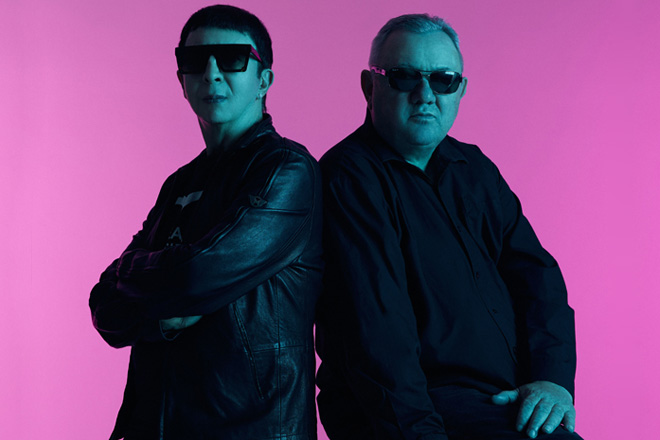
Feature photo credit: Mike Owen



No comment