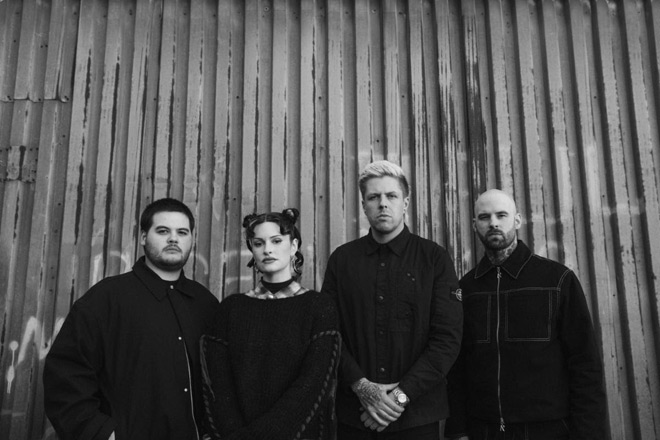
Forming after their departure from Iwrestledabearonce in 2015, Vocalist Courtney LaPlante and Guitarist Mike Stringer’s Spiritbox experiment has come a long way. Seeking to explore a more atmospheric and emotionally layered sound, one that fused Metalcore intensity with ambient textures and haunting vocals, Spiritbox has been an extremely successful vehicle for their fresh creative vision.
First and foremost, the name Spiritbox is a metaphor for emotional transmission, spiritual interference, and the haunting dialogue between self and silence. LaPlante has explained that the term refers to a device used in paranormal investigations to communicate with spirits through radio frequencies. That concept resonated with her and Mike Stringer because it captured the essence of what they were trying to do musically: channeling unseen emotions, fractured memories, and existential questions into sound. On a personal level, LaPlante said that the name also reflects her experience as a woman in Metal, often unheard or misinterpreted in a male-dominated genre.
Looking at the trajectory of the band, their 2017 self-titled debut EP and their 2021 debut full-length album Eternal Blue, you can hear influences from Meshuggah, Deftones, and Gojira for their rhythmic complexity and atmospheric layering, while shades of Slipknot, Korn, and Lamb of God show in their aggressive breakdowns and vocal dynamics. For their polyrhythms and ambient textures, shades of TesseracT and Periphery are evident, too. LaPlante has said she loves artists such as FKA Twigs, Beyoncé, and The Weeknd for their vocal phrasing, emotional delivery, and melodic choices. Quite dynamic, these influences carry over within Spiritbox’s highly anticipated sophomore album, Tsunami Sea.
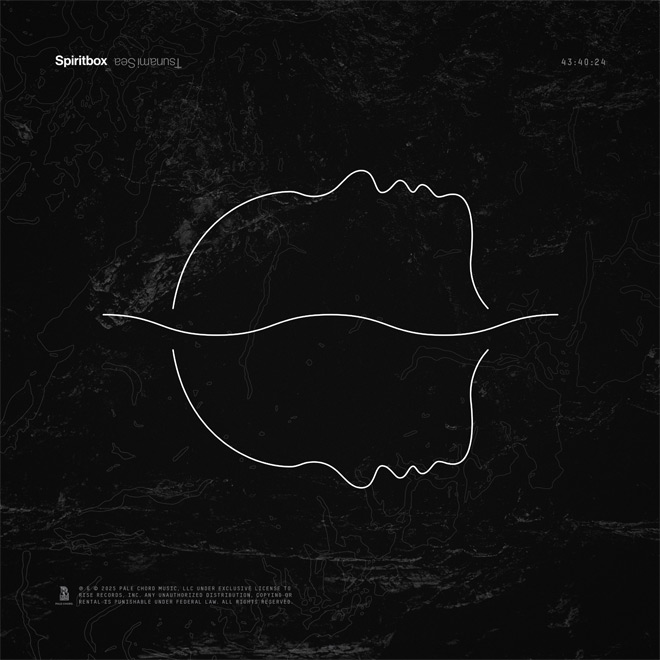
Released on March 7, 2025, by Pale Chord and Rise Records, it comes after the massive success of Eternal Blue, as well as two additional EPs: 2022’s Rotoscope and 2023’s The Fear of Fear. LaPlante expressed that the stressful experiences in recent years were like a tsunami that encompassed the whole sea, which is what they tapped into for Tsunami Sea.
A total of eleven tracks, it all begins with “Fata Morgana,” and you might ask – what’s Fata Morgana? Well, Fata Morgana is a term with mythic resonance and scientific roots, referring to a complex mirage that appears just above the horizon, often over the sea or desert. Named after Morgan le Fay, the sorceress from Arthurian legend, it evokes illusions so elaborate they seem like floating castles, ghost ships, or phantom cities. This explanation provided, “Fata Morgana” opens the album, laying LaPlante’s despair bare as she sings about sorrow following her and rippling to everyone. She is in the sea with nothing around (stagnation).
“Perfect Soul,” “Soft Spine,” “No Loss, No Love,” and “A Haven With Two Faces” also explore darker contexts to some extent. This is achieved through lyrics that convey emotional fragility and a body that is failing to hold itself together, both metaphorically and spiritually.
Considering this for a moment, the line “I’m not your perfect soul” in “Perfect Soul” becomes a refusal to be idealized, which can be daunting, not just as a performer, but as an everyday person. Altogether, “Perfect Soul” also explores self-discovery and transformation. This is while tracks like “Soft Spine” delve into the fragile process of becoming under the pressure of public perception.
Moving deeper into the album, more personal feelings are vividly expressed. Whether we want to acknowledge it or not, everybody has something they regret, and “Crystal Roses” as well as “A Haven With Two Faces” discuss mourning not just for people, but also for past selves and broken ideals. Here, they use the haven metaphor again as a place to hide from life, but it can just as easily disappear with a disruption. You can also imagine mountains sunk by the sea, meaning that we all can have big dreams, but they can sometimes be washed away.
Then, as a listener, you can find your phoenix in “No Loss, No Love,” “Ride the Wave,” along with the final track, “Deep End,” which sings about finding resolve, even when optimism feels dead. It is coming out the other side of, in this case, uncertainty and depression that define many of us.
Ultimately, Tsumani Sea thrives on a push-and-pull effect. Ethereal, angelic, and screaming/screeching vocals clash with crushing breakdowns, set against the visuals of mountains meeting the sea, serenity juxtaposed against violence. It is like Professor X says in 2011’s X-Men: First Class, “I believe that true focus lies somewhere between rage and serenity.”
With Spiritbox’s vocals, which blend beauty and hardcore, and their willingness to experiment musically while tackling topics as sensitive as mental health, they deserve immense kudos. For this, Cryptic Rock gives Spritbox’s Tsunami Sea 5 out of 5 stars.




)
No comment