
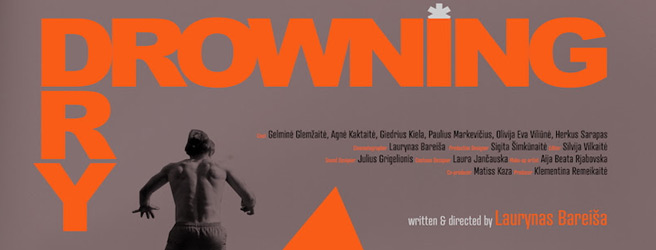
Dry Drowning Definition: A rare drowning complication that happens if water gets into the lungs. A small amount of water can irritate the lungs’ lining, and fluid can build up, causing pulmonary edema.
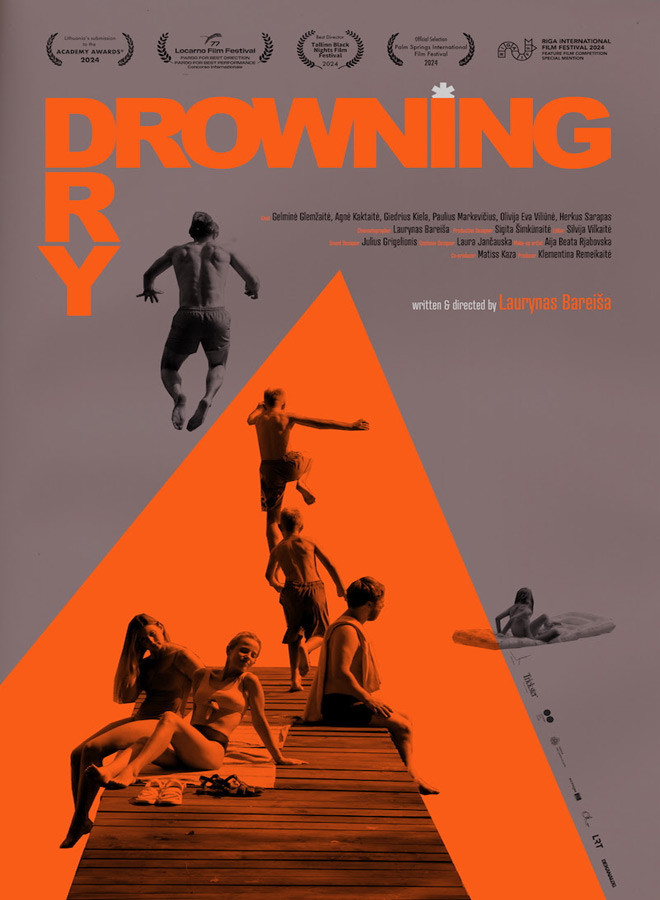
Drowning Dry, Lithuania’s official entry for Best International Feature at the Academy Awards, is a quietly unsettling, slow-burning Drama from Writer-Director Laurynas Bareiša (Pilgrims 2021). What begins as a modest countryside gathering—a birthday celebration intertwined with a martial arts victory—slowly unfolds into a fragmented meditation on trauma, memory, and the silences that linger after violence. Told through a non-linear structure, the film immerses viewers in the disoriented emotional states of its characters, resisting sensationalism in favor of a subdued, observational style that leaves a lasting impression.
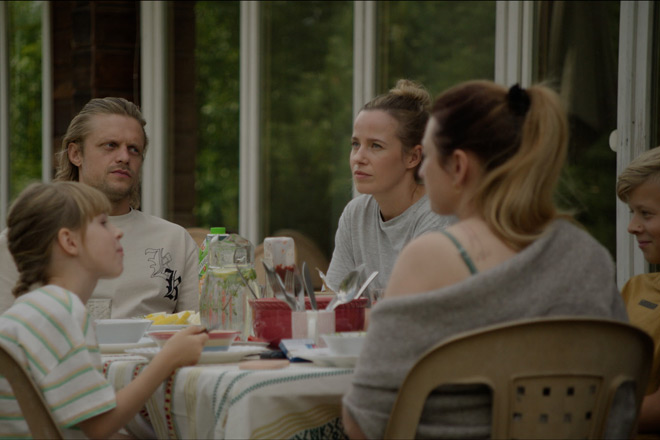
Distributed by Dekanalog, Drowning Dry arrives in select theaters July 18, 2025, featuring a fractured timeline. Presented primarily through flashbacks with minimal exposition, it requires the audience to actively piece together both events and the complex emotional undercurrents driving them. The film deliberately revisits certain scenes multiple times, each iteration revealing subtle shifts that reflect how trauma distorts memory and reshapes perception. This disjointed narrative mirrors the characters’ inner turmoil, where past and present collide in sudden, unresolved bursts. The ominous title primes viewers to anticipate trauma—an expectation the film neither confirms nor denies outright, heightening tension throughout.
Crucially, Drowning Dry withholds much of its emotional clarity; key moments are implied rather than shown, and meaning often resides in what remains unspoken. Extended silences, clipped dialogue, and a deliberate avoidance of confrontation cultivate an emotional ambiguity that seeps beneath the surface. The precise, restrained editing amplifies this effect, cutting away just as moments threaten to unravel fully, reinforcing the film’s core idea that trauma defies neat narration and resolution.
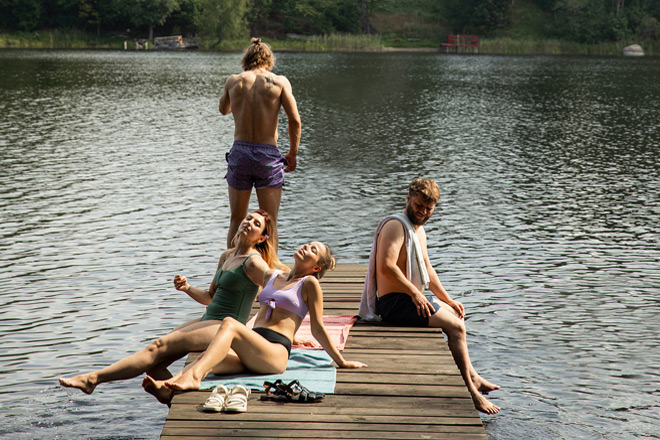
Patience is required to fully absorb Drowning Dry, a slow-burning exploration of grief, guilt, and the subtle ways trauma reshapes relationships. Instead of dramatic outbursts, tension is born from seemingly mundane interactions and quiet conversations. The film’s power lies in its stillness and restraint, where a glance, a pause, or a carefully avoided subject speaks volumes about the characters’ inner worlds. Far from diminishing its impact, this quietness sharpens the emotional resonance, revealing how pain often lingers in silence.
This atmosphere of unease is heightened through the film’s sound design and visual style. Minimalist soundscapes, punctuated by long stretches of silence, allow ambient noises—the rustling of leaves, distant bird calls, and the creak of the summer house—to emphasize isolation and emotional distance. The sparse or nearly absent musical score denies viewers familiar emotional cues, forcing them to engage with the raw, often uncomfortable undercurrents of each scene.
Visually, lingering static shots and careful framing cultivate a claustrophobic tension despite the open rural setting. The summer house becomes almost a character itself, its rustic isolation intensifying both intimacy and unease. Muted colors and soft natural lighting echo the characters’ subdued emotional states, while shadows and dim interiors suggest a haunted atmosphere beneath the calm surface. Together, sound and visuals weave a subtle but powerful language that underscores Drowning Dry’s themes of trauma, tension, and silent despair.
The performances match the film’s restrained tone with quietly powerful portrayals. The cast conveys complex emotions through subtle gestures, fleeting expressions, and measured dialogue rather than overt displays, allowing internal struggles to emerge naturally. Agne Kaktaite (in her feature debut) and Gelmine Glemzaite (The Saint 2016, Summer Survivors 2018), playing Juste and Ernesta, bring depth to their roles as women navigating loyalty, frustration, and unspoken pain, grounding the film’s emotional heart. The ensemble’s authentic chemistry makes every silence and hesitation resonate, drawing viewers deeply into the film’s uneasy world.
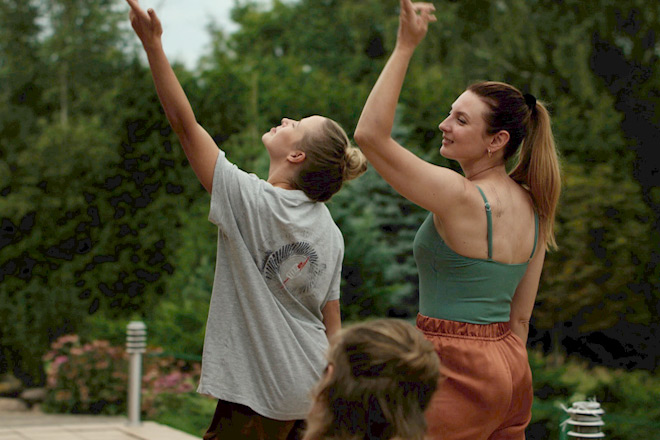
Drowning Dry is a film that does not seek to explain or resolve, but rather to immerse the viewer in the lingering tensions and unresolved emotions that follow trauma. Its subtle, restrained approach invites reflection on the complexity of human experience—the ways pain is often carried quietly, beneath the surface, and how memory itself can be unreliable and fragmented.
Rather than offering closure, Drowning Dry dwells in uncertainty, making its true impact in the spaces left open for interpretation. This quiet, unsettling meditation stays with you long after the credits roll, revealing how trauma quietly reshapes lives in ways that resist easy understanding. This is why Cryptic Rock gives Drowning Dry 4 out of 5 stars.



)
No comment