
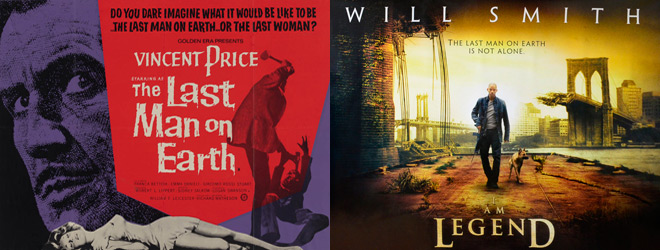
Remakes require robust source material to create engaging plots. A remake can often be simplified as a technological update to its original film, kitted out with vivid visuals, modern dialogue, and more relatable characters. While the 2007 film I am Legend does revamp a lot of the outdated technology of its 1964 predecessor (thanks to a humongous budget), it is more of a standalone film than a remake of the classic.
This is compounded when the original novel, 1954 ‘s I Am Legend, written by Richard Matheson, is considered. Neither movie does a terrific job of bringing the written story to life. Both take liberties to change the story’s plot, characters, and message. While a scathing purist review of both films regarding the novel would diminish both movies, this dissection will only focus on the two films to see how 2007’s I Am Legend altered the story of 1964’s The Last Man on Earth.
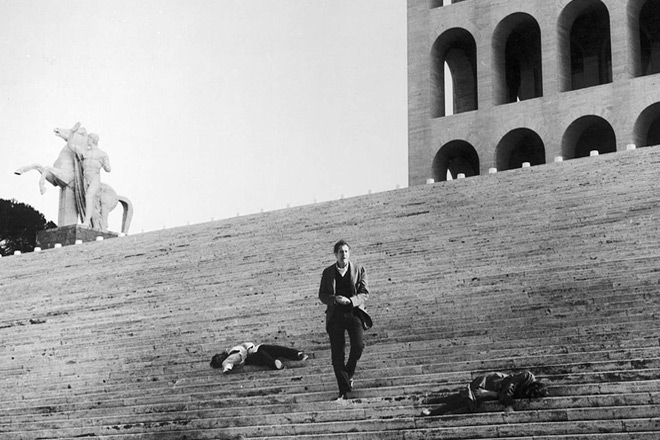
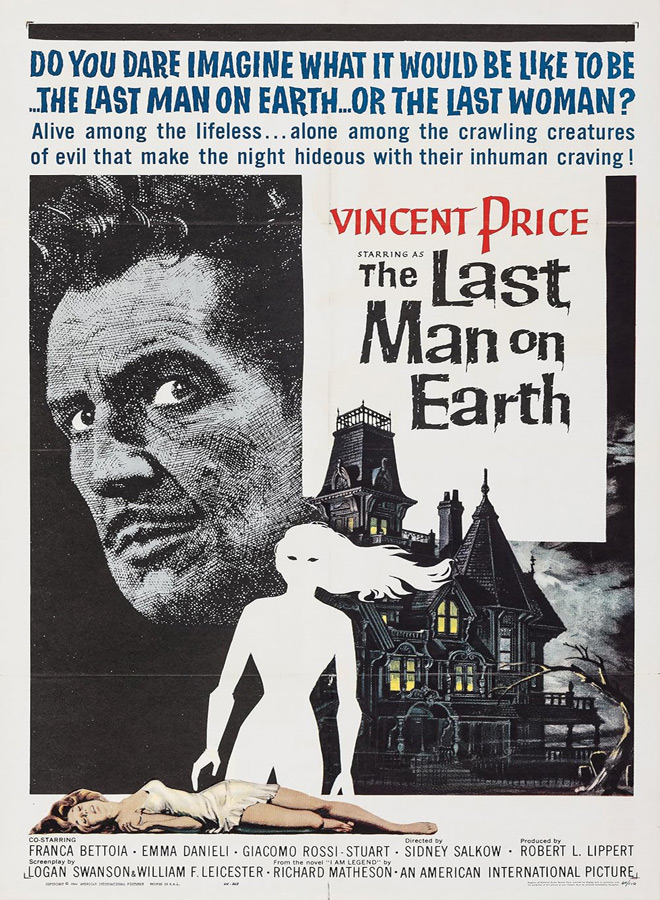
The most significant difference between the two films is the pacing. The 1964 film is an experience of exhaustion; the viewer trudges alongside Richard Morgan (Vincent Price) over a five-day-long dystopian narrative. The mundane tasks of continuing to live are the center of the film. Very little happens in the film’s first hour, thanks partly to the weak practical effects and focus on Morgan’s mental state. Days trudging through the city turn to nights stuck at home amongst the wails of zombielike vampires banging on the walls of his house.
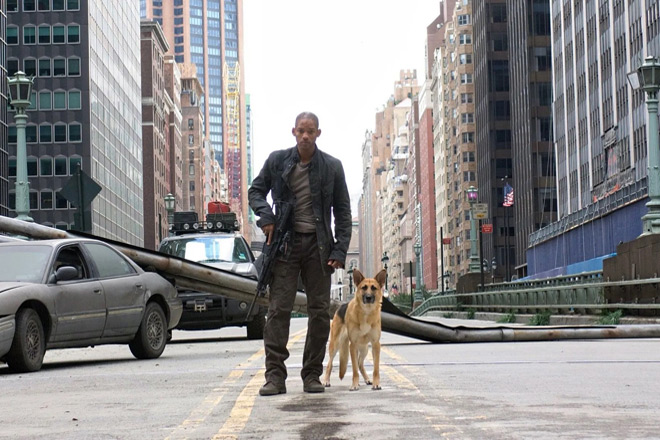
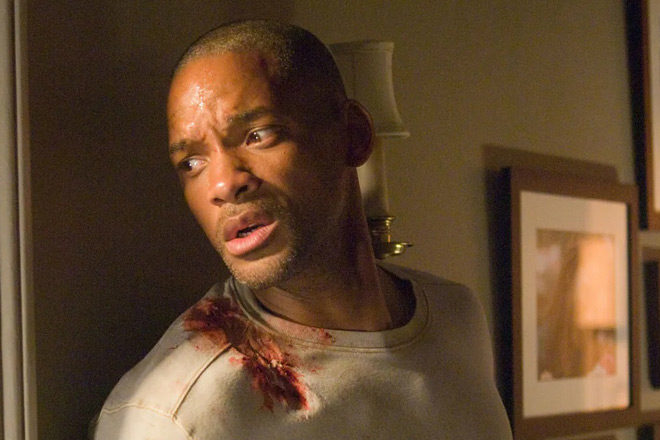
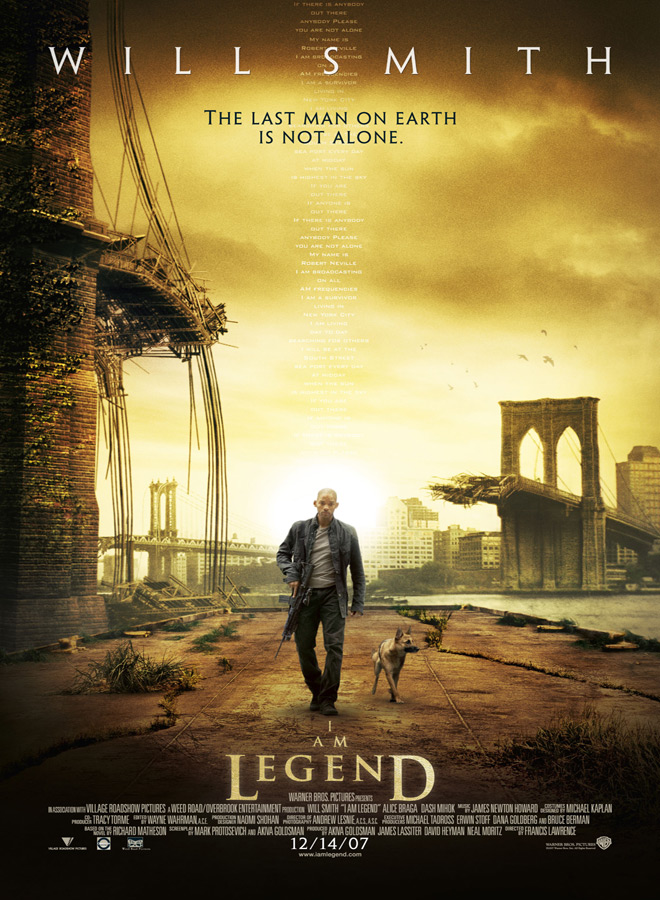
In contrast, I Am Legend feels like an atom bomb to the forehead. Richard Neville (Will Smith) is a witty survivor who has made the most of his boring life in abandoned New York City. Driving through the city for DVDs to watch at home, carrying on conversations with mannequins, and hitting golf balls off an airplane carrier into Hudson Bay to pass the time until the sun sets. These two characters are completely different approaches to the post-apocalyptic hero. Price revels in boredom, Smith finds an answer despite its silliness.
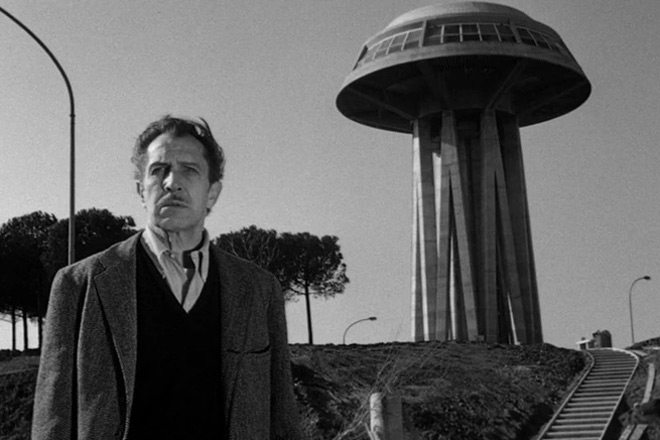
Vincent Price is one of the kings of Horror, starring in numerous classic Horror hits, and even hosted his TV show, The Price of Fear. Altogether, he is a celebrated name for Gothic horror. His success comes from his notoriously sly mustache and perfect portrayals as insidious antagonists across multiple films. However, his repertoire of dastardly characters was not helpful in filming 1964’s The Last Man on Earth. Playing the role of an everyday man, the mundane melancholy of dystopia has overtaken any chance of flair that Price could have added to the character. Although he does a good job portraying the end-of-the-world scientist Richard Morgan, there is no specific accolade or reason why Price would have been a better option than others like Peter Cushing or Christopher Lee.
In contrast to this is the Sci-Fi legend Will Smith in the 2007 remake. Smith was practically made for this role. With his appearances in 2004’s I, Robot and the Men in Black franchise to back him up, Smith creates a unique and believable character to take on the end of the world. He can channel an absurd yet nihilistic character when needed and uses it to create an intriguing perspective on the end of the world. Where Price is depressed to the point of mania, Smith stays calm and collected, fighting the vampires of his world. This makes his outbursts in the film feel earned and unexpected, creating a powerful dynamic between him and the rest of the world. While Last Man on Earth feels like a Twilight Zone “what if” story, Smith makes I Am Legend a post-apocalyptic reality.
The vampires are drastically different in these two films. The expanding world of CGI allowed the 2007 vamps to become creatures of inhuman speed and pale, fleshy stature. They are hideous monsters who come up closer to flesh demons than real vampires. That being said, the hallowed eyes and tattered clothes of 1964 do very little to sell the vampire aesthetic in The Last Man on Earth. These creatures are zombies by all means except that they bite the neck rather than craving…BRAINSS. Deciding which vampire is better at selling the film’s plot is difficult. The zombie vamps create the slow and exhaustive narrative built in the original movie, while the demon vamps of 2007 complement the explosions and vile effects used to destroy them. These are two entirely different worlds affected by different plagues. The vampires act differently, and the protagonists take up various roles.
Regarding the plot, the original film has a more substantial story with a more interesting ending. Taken from the book, the vampires have begun forming their society and see Richard Morgan as threatening progress. The ending is harrowing and depressing, a perfect match for the buildup of the film, and the viewer is left wondering what could have been if proper contact was made and the vampiric cure was administered correctly. Fast forward to 2007, when the vampires were horde-like, and while they had a hierarchy to follow and brain functions that surpassed simple evil, the vampires were not scheming to create a better world. They constantly attack Will Smith’s character, sensing a threat and disregarding the possibility of a cure.
The ambiguity of the first film is also completely changed. While both protagonists do meet bloody ends, Price’s death shows the depressing reality of life post-apocalypse. Smith instead hands over the cure, and an epilogue plays to show that the other two survivors of the film, Anna (Alice Braga) and Ethan (Charlie Tahan), make it to a surviving colony of uninfected and hand over the cure. The question arises, does a film about the impossibility of surviving warrant or even deserve a happy ending? Probably not. Last Man on Earth is much more profound than its remake in this regard. I Am Legend is constantly pulling at the heartstrings, and does so successfully, but the drama of Neville’s death feels diminished because everything he has worked for is achieved in the end. Just scrapping the ending, stopping at the final explosion, would feel like a stronger ending for the film. Not everything should be revealed for a successful movie.
It is impossible to say if one film is better because they take drastically different narrative storytelling approaches. The Last Man on Earth’s gothic meditation is slow at times, and Price is not the best end-of-the-world hero, but the film makes the viewer think a little more and relish the depressing reality of dystopia.
On the other hand, I Am Legend is a gun-blazing romp through an eye-candy apocalypse that creates suspense and energy but reveals too much and insists on poetic justice and the art of murder, resulting in a catchier yet less compelling narrative. 2007’s film is an easier watch, but the 1964 classic will leave the viewer asking themselves, “why?” Something that all good films should try to emulate.


No comment