
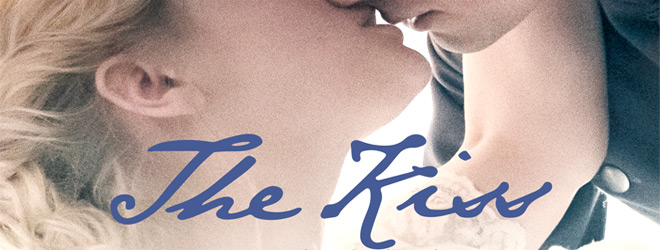
Bille August’s Kysset (English: The Kiss) explores an intriguing theme: pity under the guise of romance. Adapted from the famous Austrian Writer Stefan Zweig’s Beware of Pity (1939), the film transports viewers into visually stunning early 20th-century Denmark, where the looming threat of World War I provides the backdrop for a story that is less about love and more about the consequences of misplaced empathy.
Arriving in select theaters on May 16, 2025, through Juno Films, The Kiss’s opening scene, which establishes an aristocratic atmosphere, features Anton (Esben Smed, Bedrag series, Held for Ransom, 2019) negotiating with his wealthy aunt regarding offsetting the cost of establishing his place in the Danish cavalry. The following opening credits shift to striking black-and-white footage of cavalry soldiers.
These archival-style clips ground the story firmly in its historical moment, situating the audience in pre-World War I Denmark. Complementing the visuals is a delicate, music-box-like score that appears throughout the film. Haunting in its simplicity, the soundtrack lingers beneath the images, giving the film a fragile atmosphere that we later realize mirrors the characters’ inner lives.
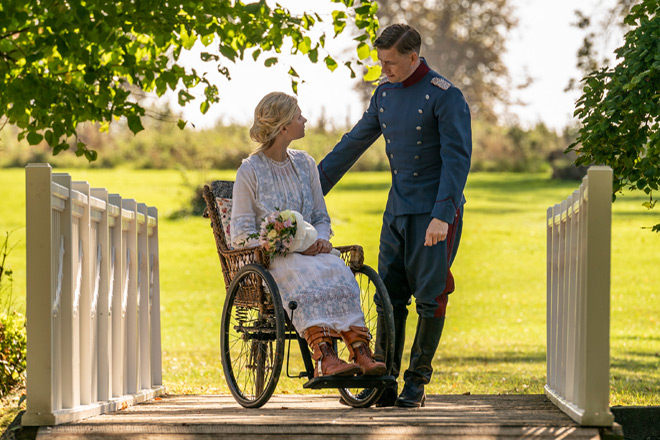
The story centers on a young lieutenant, Anton, who meets Edith (Clara Rosager: Before the Frost 2018, Morbius, 2022), a wealthy young woman left paralyzed after a horse-riding accident. Their relationship begins on uncertain footing as he visits her out of politeness and pity rather than genuine affection. Yet as time passes, he feels an increasing obligation to her, despite knowing he is not truly in love with her. This is where the film becomes most compelling; it is not a sweeping romance, but rather a look into the negative ramifications of pity masquerading as devotion.
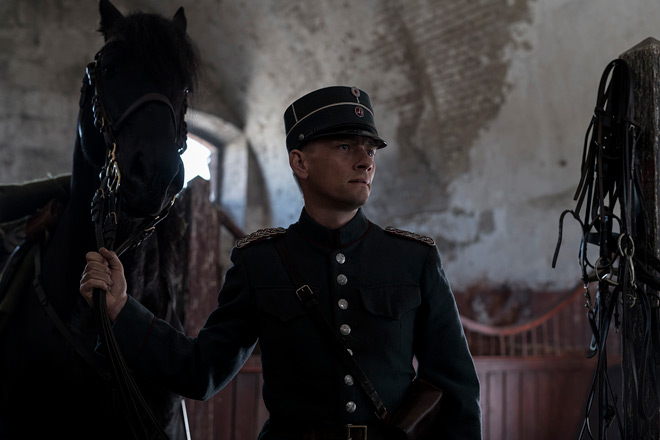
Edith’s character, played with heartbreaking conviction, embodies the pain of someone who mistakes pity for love. Smed’s acting is wonderful as well; you can clock Anton’s inability to be honest through his facial expressions. It almost makes you want to tell Edith through the screen that Anton seems to be the prince of miscommunication and false promises.
When even Edith’s father (Lars Mikkelsen: House of Cards series, Ride Upon the Storm series) says to Anton, “You are a most unusually kind person, Lieutenant,” it is easy to see how his pity for Edith could come across as true, unbridled kindness. Anton himself is a fascinatingly flawed character; he wants to be honorable, but his actions are muddled by insecurity and a tendency to people-please.
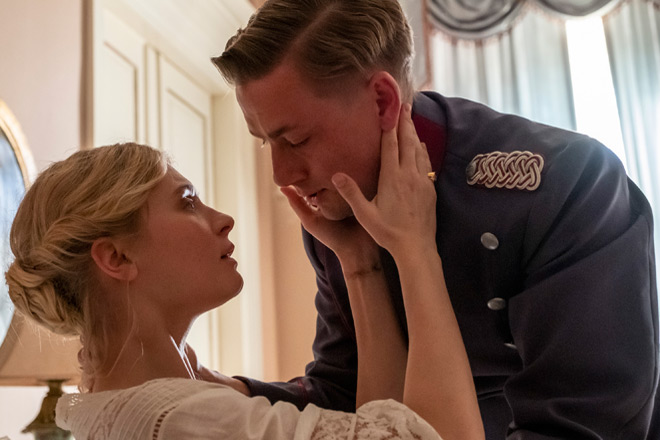
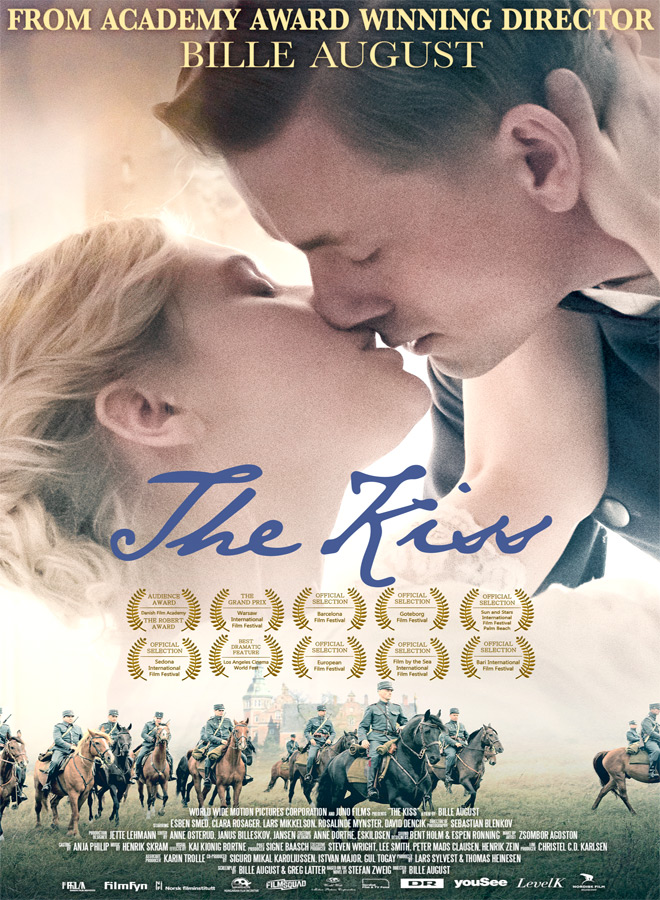
The film’s title moment, the kiss between Anton and Edith, is electric and uncomfortable at once. It needs to be both, at a moment where love is not fulfilled and falls into desperation and misplaced hope. August frames it as the film’s climax: from that moment, the final act spirals into a series of poor choices and devastating consequences.
What seems to keep The Kiss from being fully satisfying is its ending. Without giving away specifics, the resolution feels too neat. It’s as if August wanted to wrap the film up quickly and tie it up with a bow. The ending is not complex, and after investing so much into the film’s exploration of shame and pity, it is surprising to see it retreat into a melodramatic conclusion that did not feel earned. In other words, the ‘couple’ deserved something more thought-provoking than what they received.
Still, The Kiss is not a romance movie. It is a tragedy about good intentions gone wrong, about what happens when human connection is warped by guilt. Anton’s self-deception is an intriguing lens for this film, and Bille August’s direction ensures it is beautiful to look at and haunting to think about. However, its conclusion leaves a bit to be desired. That is why CrypticRock gives The Kiss 3 out of 5 stars.


)
No comment