
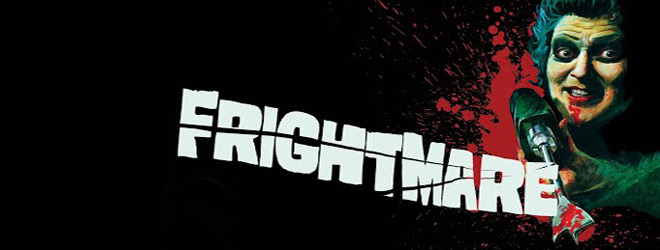
While Hammer Films were synonymous with the production of the most popular British Horror films between the mid-1950s and early 1970s, a new era was on the horizon. Some might say that their wane in dominance was due to oversaturation; others would argue that the emerging American market, with films like 1968’s Night of the Living Dead and 1974’s The Texas Chainsaw Massacre, had audiences seeking something more graphic than the classic Gothic-laden backdrops Hammer was known for. Whatever the case might be, something fresh was emerging in the United Kingdom that not only competed with the more explicit context of the time but also stood out in a significant way, like Peter Walker’s Frightmare.
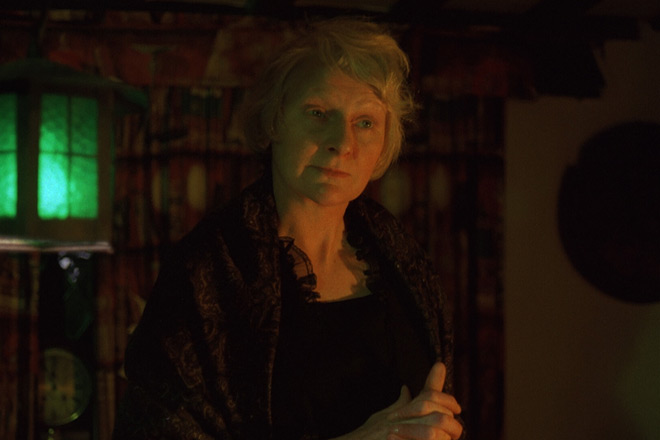
Released in November 1974, Frightmare (not to be confused with a 1981 film of the same title) would be one of Walker’s many entries into the Horror genre, which included 1972’s The Flesh and Blood Show and 1976’s Schizo. Each attracting an audience, beyond his contributions to Horror, Walker was primarily known for sexploitation or sex comedy cinema, but despite what critics might say, he always had something more profound to offer if you looked closely. With this in mind, Frightmare finds Walker at his peak in creating a disturbing atmosphere that haunts your thoughts long after a viewing.
Based on a story convinced by Walker himself, and written by David McGillivray (who had also worked on other Walker films), the film features Shelia Keith (who had made her Horror film debut with Walker’s House of Whipcord) as the leading mentality disturbed lead Dorothy Yates, Rupert Davies (known for his work on the 1960s BBC adaptation of Maigret) as her loyal husband Edmund Yates, Deborah Fairfax (who had worked regularly in British television for two decades) as their supportive daughter Jackie Yates, and Kim Butcher (who worked with Walker on later Horror films like 1976’s The Confessional) as their troubled younger, removed daughter Debbie Yates.
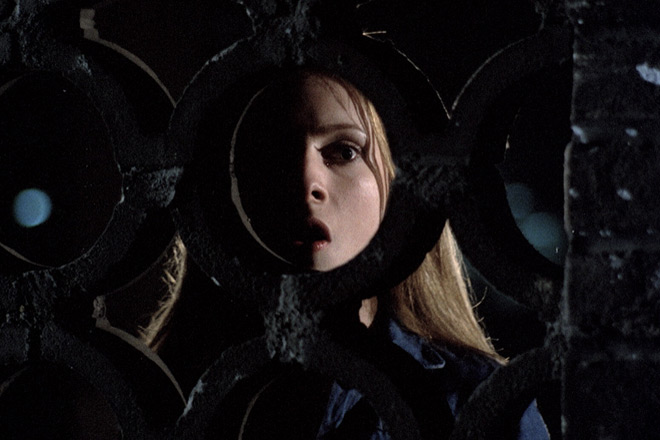
Together, a dysfunctional unit, Jackie Yates is at the center of a terrible family secret that mom and dad were long-standing residents of an asylum. Now released and deemed ‘cured,’ Edmund is doing his best to keep Dorothy happy, while Jackie makes regular visits to them on an isolated farm. Tragically, something extremely unsettling is still lurking beneath the surface, and it is just about to boil over. On top of this, Jackie is responsible for Debbie, a mischievous youth who seems to find trouble at every turn. Something that makes any chance at a normal life impossible for Jackie, she soon befriends a psychiatrist named Graham Heller (played by Paul Greenwood, best known for his work on the British sitcom Rosie), who wants to help, but instead matters quickly turn much worse.
This being the gist of the story, the shocking aspect of Frightmare is that Dorothy Yates is more than mentally unsound; she has uncontrollable tendencies that will make your skin crawl. Considered one of Walker’s most recognized Horror films, Frightmare was also dubbed obscene and highly controversial by British critics at the time. The perfect type of press for a Horror film, Frightmare found success in British theaters, grew a larger audience over the years, and is now considered a cult classic.
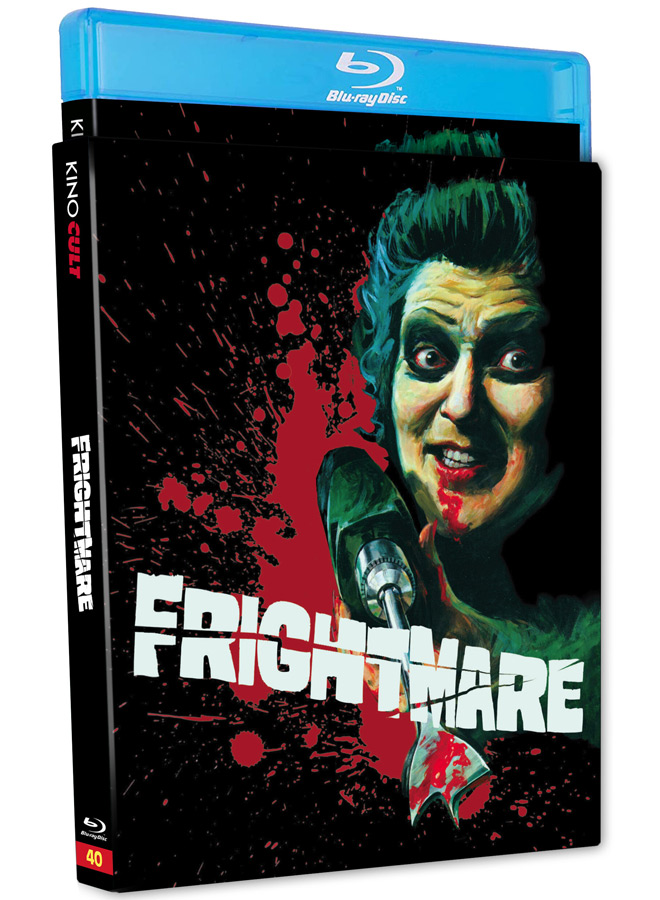
Cascaded by a very dark undertone, Frightmare is a fitting representation of ‘70s Horror, no matter whether it be American, British, or from another part of the world. Making its way into the 21st century, it arrived on DVD back in 2001 and 2006, before a Blu-ray release in 2014. Now over a decade removed from the last physical format release of the film, Kino Lorber is bringing Frightmare back into the spotlight in 2025 as part of their Kino Cult series.
Number 40 in the series, which launched in October 2023, Frightmare arrives on Blu-ray on November 11, 2025. A 2K transfer, it is on par with the Redemption Films (a sub-label of Kino Lorber) release from 2014 in terms of quality. Certainly a significant upgrade from prior DVD releases, the imagery is, by and large, clear, crisp, and colorful, despite some dust and scratches from the original film elements’ aging/handling.
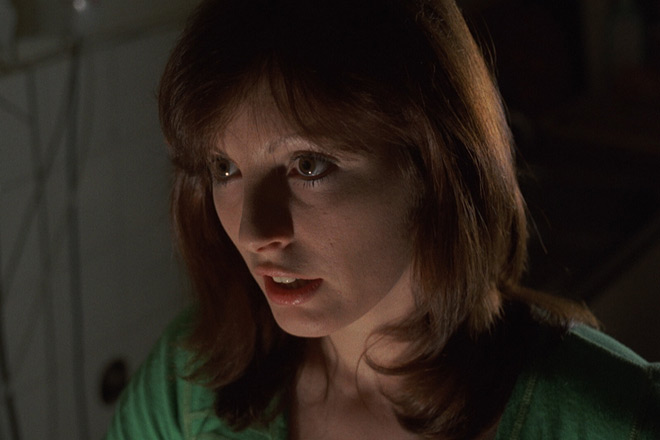
Beyond this, the new edition of Frightmare includes archival bonus features such as Making Mischief: The Cult Films of Peter Walker and Shelia Keith: A Night Old Lady?, as well as new material, including an interview with Actor Paul Greenwood. Joined by classic film artwork as the inlay and a nice cardboard slipcover, it is a great option to add Frightmare to your collection. That is why Cryptic Rock recommends this must-see ‘70s Horror flick, and gives the new Blu-ray edition of Frightmare from the Kino Cult series 4.5 out of 5 stars.


)
No comment