
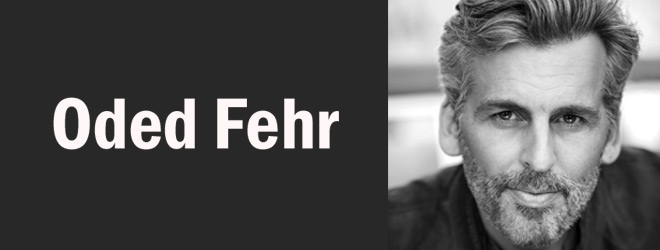
In a world where many seem to prioritize their careers over everything else, it is very easy to fall into defining yourself by your work. An unfortunate casualty of an unbalanced modern way of life that can leave many unsuspectedly feeling incomplete, it takes a grounded individual such as Oded Fehr to realize that family should come first in life.
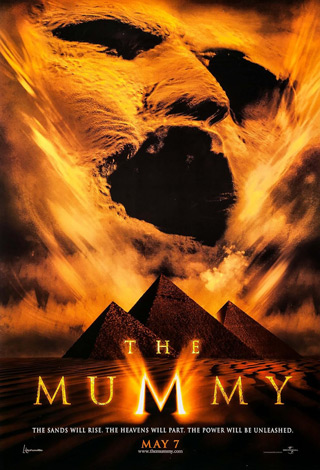
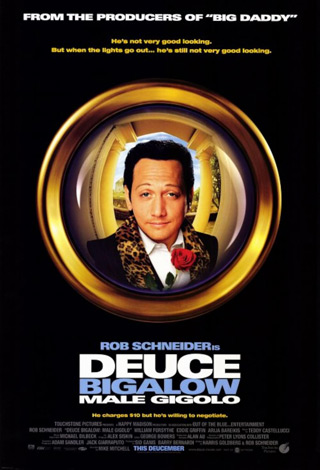
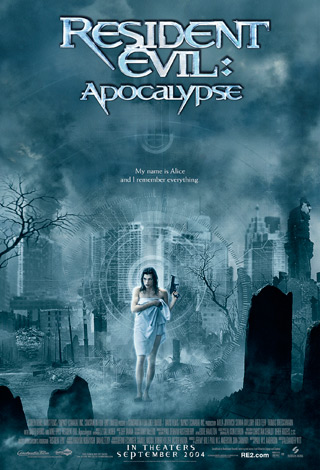
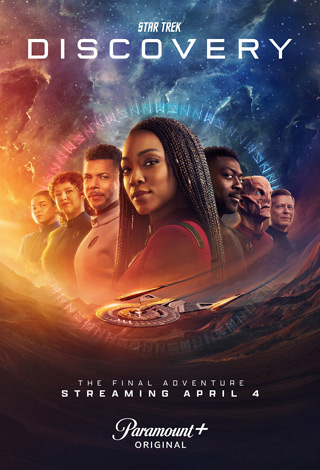
An interesting individual born in Tel Aviv, Israel, who would go on to attend drama school in England, Fehr entered the realm of Hollywood cinema in his late twenties. Older than most, his prior life experiences had placed a firm head on his shoulders, and because of this, success was even sweeter as he starred in such popular films as 1999’s The Mummy and Deuce Bigalow: Male Gigolo, before having roles in other mega films like 2004’s Resident Evil: Apocalypse and 2007’s Resident Evil: Extinction. Extremely distinctive, he would continue along a very steady career in film and television, with more roles including one on series such as Star Trek: Discovery, House of David, and more recently, the new Star Trek: Starfleet Academy, as well as the based on true event’s 2026 feature Thriller Grizzly Night.
Truly an outstanding career, Fehr has taken nothing for granted through all the twists and turns. Continuing to find inspiration, he recently sat down to discuss his longevity in cinema, his role in Grizzly Night, and more.
Cryptic Rock – You have built quite a diverse career in film and television for yourself over the last three decades. How would you describe your interesting and incredible journey in acting?
Oded Fehr – Blessed. I feel very fortunate to be a working actor. It’s something I very much enjoy and am passionate about, but it was never my goal in life to be one thing or another in acting. When I went to drama school in England, I thought I was going to be one of those guys who do a lot of theater and survive off of commercials. My goal for myself was always to have a family and a home, and on that basis.
I feel I truly achieved my dreams there. My wife and I have been married for 25 years. We have three amazing children. We’re all incredibly close to each other, and that’s kind of our drive and force in life. That said, you always try to make good decisions about what you are willing to do and what you are not interested in doing. Many times, you work because it just pays the bills. Every once in a while, you’re fortunate to say, “Yes,” or “I want to do this,” or “I want to do that.”
For instance, Star Trek was definitely a blessing. Star Trek is something that I grew up being a huge fan of. I’m half Israeli, half German, so growing up in a country with a lot of conflict, Star Trek was always such an optimistic show. I’ve been a huge, huge fan, and to be offered a part in it was so incredible. I feel so blessed to have been called back to Starfleet Academy. It’s been really wonderful.
Cryptic Rock – That’s great to hear. It is fascinating to hear that when you began your theater journey, you never imagined where you would be. It is also wonderful to hear your primary focus has been your family. Everything should be secondary to family, because they are the foundation.
Oded Fehr – Yes. You can have the most success ever, but no matter who or where you are, the film industry ebbs and flows. You’re up, and you’re down. And sometimes you’re up, and you feel you’re at the top of the world, and then the week is over, and it’s gone. I feel that one of the things that really, for me, that I’ve been very lucky with is the fact that I went to it a little bit later in life. I was 24 when I started drama school. I was 28 when I shot The Mummy (1999).
I’ve experienced enough to kind of know that there’s a big part of this industry that’s not real, that everybody’s treating me wonderfully because they’re just interested in me not getting lost and doing my job and being happy so I don’t complain; not because they think I’m fabulous and they want to do everything for me because I’m God’s gift to acting. It’s that kind of thing. And no matter how much you’re treated wonderfully, it’s not because you deserve it. It’s because that’s the people’s job, and there’s a reason for it to happen this way, and that we’re all really equal on set.
Those kinds of things you see sometimes when you’re working with young people on a show, and they get very used to being taken care of very quickly. They lose sight of the fact that they’re there to do a job, and they have a responsibility, and they need to be on time, and they need to have their costume ready, and they need to know their lines, and know their props that they’re supposed to have with them, and know where they are in the story, and not lay back on everybody else doing it for them.
I think I was very lucky to always have my feet on the ground and know this is a job. Sometimes I’m at the top, sometimes at the bottom, sometimes in the middle. It’s all good.
Cyptic Rock – Just stay grounded. It’s a good way to look at life in general. Through all the ebbs and flows in your career, you’ve done a diverse mix of things in television and film. You’ve done Comedy, Action, and Horror. Do you enjoy the diversity of working across different genres?
Oded Fehr – Oh, my God, yes, 100%! All of it is challenging. All of it is fun. I’m not the biggest fan of working with a lot of visual effects and green screens (and I don’t think anyone really is). It’s much more exciting and interesting to have a face-to-face with somebody and to have scenes together, acting, and reacting. Those are wonderful situations. But then again, riding a horse and fighting with a sword has been amazing.
On House of David, just this last year, I got to rear a horse again. I have a picture of myself 25 years ago on The Mummy and on House of David, I’m rearing a horse. It’s pretty wonderful. You kind of go, “Oh, I remember this. This is kind of fun.” Playing anything and everything. Action is wonderful. Even sometimes learning to do a dance or something. It’s fine even though I’m not very good at it. We’re very, very blessed in this business if we’re working.
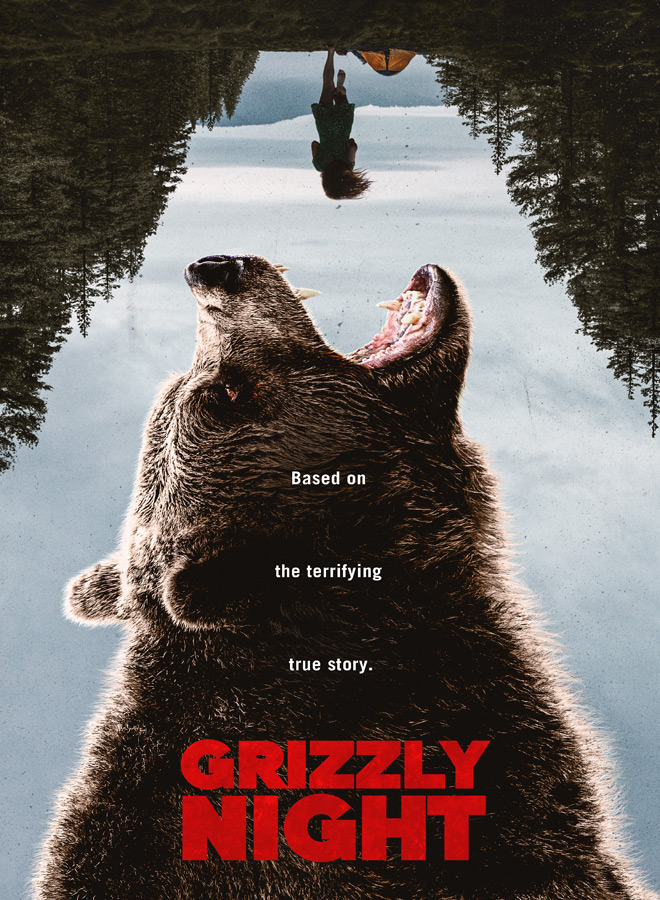
Cryptic Rock – It sounds very exciting, especially your outlook on it. Grizzly Night is a story based on true events. With films based on tragic true events like this one, you sometimes wonder whether you should be enjoying them. Grizzly Night is extremely well done. How did you become a part of it?
Oded Fehr – I was sent the script and offered to be a part of it. I didn’t know about the real events; I only found out from reading the script. Then they send us a bunch of research about the true events that happened.
The truth is, the first thing is always the script, and the script was great. You don’t expect that kind of level, usually, with independent movies. I didn’t know what to expect. I mean, I thought it was a Horror movie about a bear or something. Then I read the script, was pleasantly surprised, and got to speak with the creators. I love working with lovely people, and they were just lovely. All around, it was really a great experience.
The fact that it was something that happened before, I think we all felt the responsibility of telling it in a way that’s truthful, and not just kind of making a mockery of it. I do love the fact that this movie tells the story about an event that changed the way we perceive or the way we behave with regards to wildlife, bears, and their habitat, and our encroachment on it. We’re also used to the trash cans that lock, and being aware not to throw our trash in the wild, and so on, where these people weren’t. They didn’t think twice about, “Oh, some animal will eat it. It’s okay for me to throw it out.” It was kind of the early stages of conservation.
Cryptic Rock – Most certainly. To your point about staying faithful and not overdramatizing it for the sake of it, the bear in this film is not depicted as a monster, but a wild animal, because that’s what it is. That is important to not make a mockery of it, as you said.
Oded Fehr – Exactly. Absolutely. And I love the fact that we used an actual bear. That was very interesting. I’ve had a couple of situations in my life where I came across a bear in the wild, not many, but a few, one of which was very kind of scary. It was more like I heard the bear, not saw it. I went hiking when we lived in Ojai, California. I went hiking with a friend on this up this trail. All of a sudden, it was just this noise of what sounded like the size of a small car just pushing through the bushes in this strength and power that was so frightening. The two of us were just walking later the rest of the walk. We talked to each other very loudly all the time, making sure we were kind of noisy.
It was amazing seeing that real grizzly bear in the film. As members of the cast and crew, we were clearly instructed not to bring any food into the area that day, not to eat outside, not to leave anything, not to pass through certain places because the scent might change his behavior, and so on. There was a lot of respect for the bear.
Cryptic Rock – It is great that you used a real bear. Tying in with what you were saying earlier about how you know working in front of green screens isn’t really anyone’s favorite thing. Many viewers share this feeling. It is interesting to see you use a real bear in Grizzly Night, rather than the plethora of CGI animals in movies these days. It is nice to see the real thing, especially in real settings.
Oded Fehr – 100%. I mean, look, there’s definitely room for CGI. There’s definitely room to create environments and things. But when your movie relies on that, when that becomes the crux of your movie, we lose it as an audience. The world is ending all the time, and it’s destructive, and it just becomes too much. It’s those little things that create a character that we love and enjoy because they’re human and because of their human experiences and their relationship with others. I find it’s always better to have less than more.
There’s definitely room for it, especially when you’re telling stories of things that don’t exist, or you’re able to create things that you would never otherwise be able to create. For example, all these beautiful drone shots that we get nowadays, I know we’re getting a little bit used to them, but you have to remember that every time before, it was a helicopter flying overhead, and it costs you know tens of thousands of dollars to do what we do today for literally nothing. So there’s room for all of that. There’s room for technology, but I really do think the core basic human stories and human experiences are still a wonderful way to tell stories.



No comment