
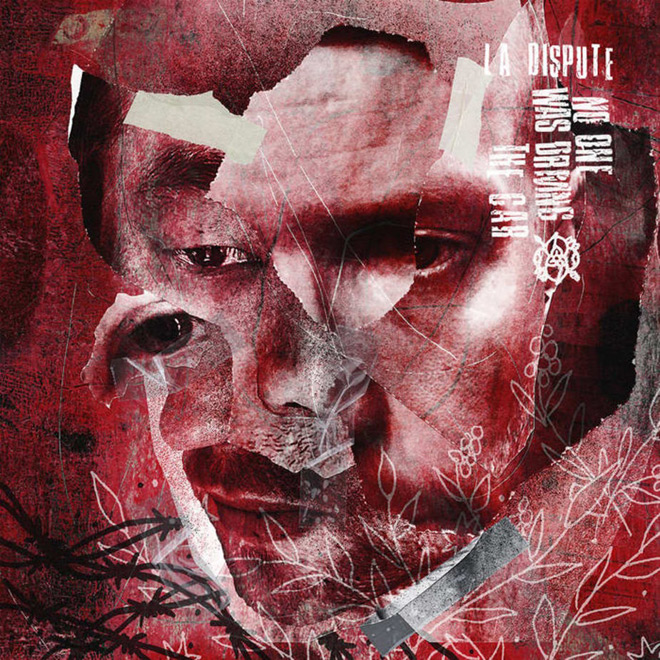
La Dispute’s fifth studio album, No One Was Driving the Car, is a sprawling, emotionally charged Post-Hardcore epic that feels like a collection of songs that are trying to create a concept album. Released on Friday, September 5, 2025, through Epitaph, clocking in at 65 minutes, the album is dense, deliberate, and deeply immersive.
Interestingly enough, No One Was Driving the Car got its title from a fatal self-driving car crash. The police report it was pulled from proved to be a point of inspiration for the band, as well as Paul Schrader’s 2017 Eco-Thriller First Reformed. The angst and unhappiness present in both the car crash and the film’s ethos permeate the entire album. Frontman Jordan Dreyer uses the album to explore modern absurdity—encompassing environmental collapse, religious dogma, and generational trauma.
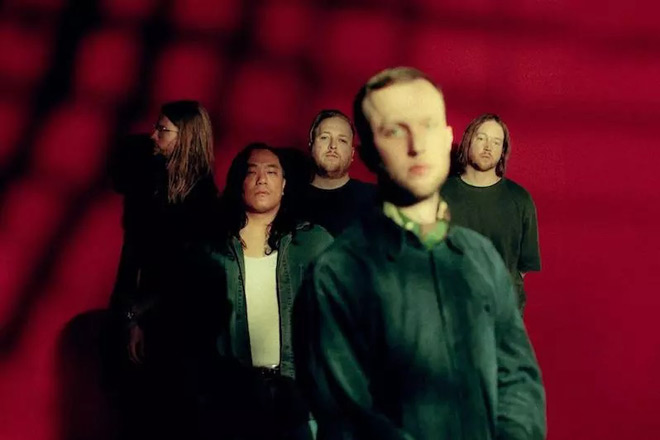
Looking back for a moment, La Dispute began in 2004 and has achieved considerable success within a niche of poetic screamo sound that other bands, such as Touche Amore and Death Is Not Glamorous, also inhabit. All three bands drag you along for a journey of emotional spoken word poetry supported by fragments of guitar and drums. As of 2018, La Dispute found a home with Epitaph Records, which has supported their vocal-focused Hardcore sound. That being said, No One Was Driving the Car is the second album La Dispute has released under Epitaph, after 2019’s Panorama.
Musically, the band leans into their signature blend of jagged guitars, spoken-word vocals, and poetic lyricism. Tracks like “I Shaved My Head” and “Man with Hands and Ankles Bound” bring back the frenetic riffing reminiscent of 2011’s Wildlife, while slower, mournful pieces like “Self-Portrait Backwards” and “Environmental Catastrophe Film” echo the introspective tone of their more recent album, Panorama.
Adam Vass’s bass work is particularly notable—fuzzy, urgent, and grounding Dreyer’s anguished delivery. The acoustic textures on “The Field” and “Autofiction Detail” offer moments of quiet devastation, where Dreyer sounds like he’s on the verge of tears. This exposed emotion is nothing new for La Dispute, but it feels much more numb than previous releases, overall reminiscent of their earlier work.
The artists are creating a world within their album where they are the narrators. There is a line to tread here, ensuring that each song is telling a story and expressing a feeling without overindulging and becoming autobiographical. Other releases by the band have that auto-fiction feeling. Still, No One Was Driving the Car does well in deciding to deliver an album full of emotional insecurity and numbness. It results in a release that feels eerily real, urgent, and unique, rather than contrived.
This is achieved through the diverse lyricism of the album, with Dreyer crafting a network of stories that feature people who simultaneously stumble through addiction, nostalgia, and existential dread. The best example being “Top-Sellers Banquet,” which reimagines First Reformed’s floating scene as a bleak corporate holiday party—a surreal, biting critique of late capitalism where the lyrics are fully audible instead of being locked behind the normal gravel and screams of the other songs.
Overall, No One Was Driving the Car is La Dispute at their most ambitious and emotionally raw. It is an intriguing listen, meant to be deciphered and understood over time. But for fans of narrative-driven music and poetic Post-Hardcore, it is a powerful piece that will take all your attention. That is why Cryptic Rock gives La Dispute’s No One Was Driving the Car 4 out of 5 stars.


)
No comment