
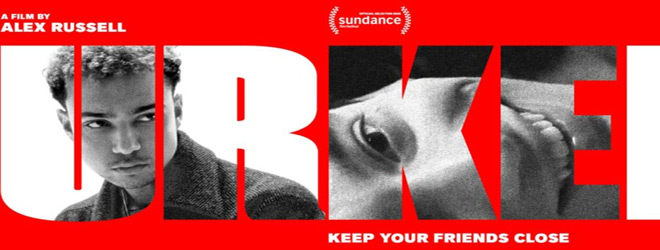
Drawing viewers into the seductive yet treacherous space where fandom, ambition, and obsession collide, Lurker is the first feature from Writer-Director Alex Russell (producer of The Bear and Beef series).
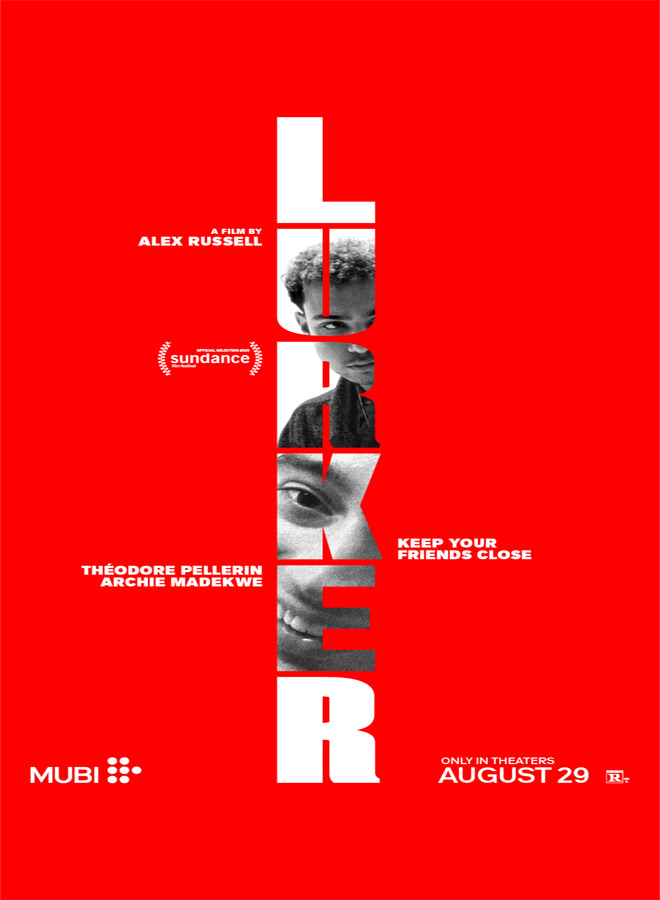
Arriving in theaters Friday, August 22, 2025, from Mubi, at its core, Lurker probes the perilous currency of access to fame—where intimacy is often performance, validation is pursued at all costs, and the music industry becomes a pressure cooker that warps every relationship around it. Fronted by two magnetic leads, Théodore Pellerin (There’s Someone Inside Your House 2021, Becoming Karl Lagerfeld series) as the lonely and obsessive Matthew, and Archie Madekwe (Gran Turismo 2023, Saltburn 2023) as rising music star Oliver, Lurker offers a sharp, unnerving portrait of the blurred line between friend and follower.
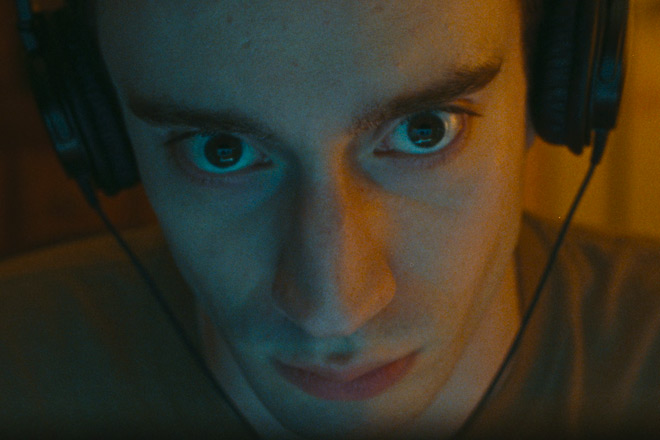
What makes Lurker especially gripping is its sense of authenticity. The film never feels like an outsider’s caricature of the music world or a portrayal of parasocial obsession—it breathes with the lived-in detail of genuine ambition, insecurity, and a craving for recognition.
Russell’s direction grounds the tension in everyday moments, where glances, gestures, and casual conversations carry as much weight as the larger, more dramatic turns. Pellerin and Madekwe inhabit their roles with unforced naturalism, making Matthew and Oliver’s relationship feel all the more plausible. Kenny Beats’ score adds another layer of immediacy, blending moody atmospherics with urgent, beat-driven surges that echo the volatility of the characters’ dynamic. Together, these elements strip away sensationalism, leaving something raw, unnerving, and true.
That same commitment to realism, however, proves to be a double-edged sword. Lurker moves with the rhythms of real life—lingering in quiet stretches of observation before breaking into sudden jolts of chaos. This vérité texture builds a simmering unease, keeping viewers uncertain about where the story is headed. At the same time, it results in uneven pacing, trading the taut propulsion of a Thriller for a more anxious, unpredictable rhythm. The effect is less a steady escalation than an anxiety-ridden experience, one that mirrors the uncertainty and obsession at the heart of the story.

The film thrives on the chemistry between Matthew and Oliver, whose performances crackle with an unsettling mix of intimacy and mistrust. Pellerin brings a raw, almost fragile intensity to Matthew’s yearning for connection. At the same time, Madekwe embodies Oliver with a magnetic mix of charisma and guardedness, constantly hinting at the pressures of being a new star. Their push-and-pull dynamic keeps the audience on edge, never allowing the relationship to settle into a comfortable state.
Surrounding them, the entourage is far from background noise—each character is sharply drawn, their insecurities and hunger for recognition intensifying the competition that swirls around Oliver’s orbit. This layered ensemble work enriches the central tension and underscores the film’s larger portrait of fame as a crowded, contested space where every glance and gesture can shift the balance of power.
Lurker feels undeniably modern—few films today could convincingly claim to have been made just last week. Its performances, soundtrack, and world pulse with contemporary urgency, capturing the anxieties, obsessions, and blurred boundaries of fame in the digital age. Beyond the story itself, the film resonates because it reflects the ways we crave connection, validation, and recognition—and the risks that arise when those desires spiral into obsession.
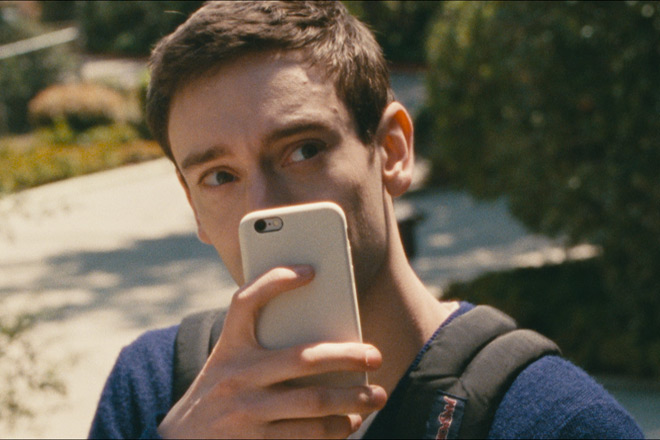
With sharp performances, unflinching authenticity, and a tense, unpredictable rhythm, Lurker is more than a thriller about proximity to fame—it is a striking, unsettling meditation on how we navigate attention, desire, and belonging in the modern world. This is why Cryptic Rock gives Lurker 3.5 out of 5 stars.



)
No comment