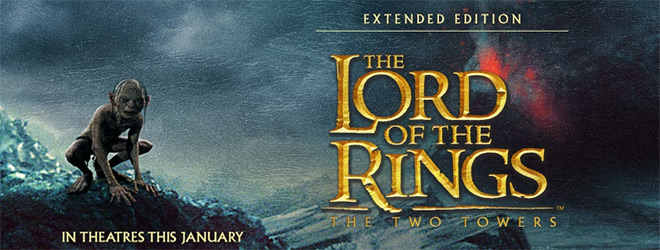
While the 1980s were a historic decade in the world of Fantasy cinema with the creation of films like 1981’s Excalibur, 1982’s Conan the Barbarian, 1984’s The NeverEnding Story, and 1986’s The Labyrinth, twenty years later, a new landmark would be reached with Peter Jackson’s The Lord of the Rings series.
A long time coming, Jackson had tremendous aspirations to take on the project, and at the start of the 2000s finally directed three feature films adapted from J.R.R. Tolkien’s iconic three-volume writings (1954’s The Fellowship of the Ring and The Two Towers, as well as 1955’s The Return of the King). Something many had thought would never come to pass (considering the wide-scale detail and depth of Tolkien’s Middle-earth), Jackson was determined to make it a reality, and against significant skepticism, The Lord of the Rings: The Fellowship of the Ring set out to prove all wrong.
Jackson, who had prior experience with lower-budget, but fan-favorite Horror films like 1987’s Bad Taste and 1992’s Dead Alive, was looked at by many with concern that he could actually deliver a movie worthy of the novels. Still, when The Lord of the Rings: The Fellowship of the Ring hit theaters in late 2001 (months after the world-changing terrorist attacks on September 11th), moviegoers were completely taken aback by the film’s stunning visual depth, emotional impact, and overall power.
Quelling negativity, The Lord of the Rings: The Fellowship of the Ring was more than good; it was great, becoming the second-highest-grossing film of 2001, and at that time, the fifth-highest-grossing film ever. Attaining 13 Academy Award nominations, it was clear that many were believers, and as a result, eager for the second film in the series, The Lord of the Rings: The Two Towers. Released almost a year to the date later (December 18, 2002), it was a perfect storm for New Line Cinema to capitalize on the momentum of the first film in such a short period of time. Able to do so because the entire trilogy was filmed simultaneously in 18 months between October 1999 and December 2000, the schedule left the talented crew behind the scenes plenty of time to edit, master the sound design (which resulted in 98% of the dialogue being re-recorded), fine tune the visual effects, and wrap it all around Howard Shore’s musical score.
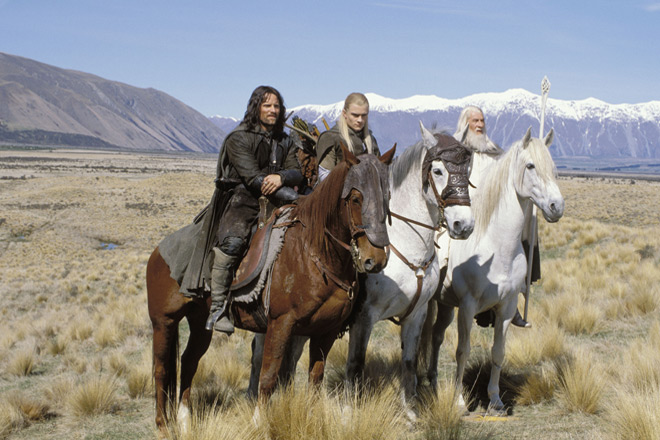
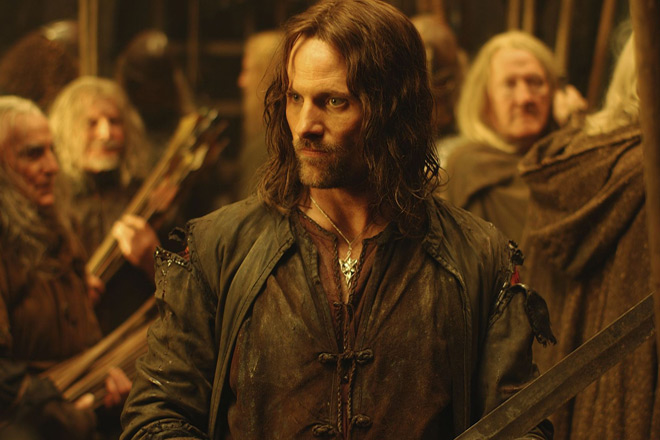
Truly an epic production (much like Frodo Baggins’ journey), when it hit theaters, The Lord of the Rings: The Two Towers delighted new and old fans alike. Having already laid the groundwork for Middle-earth in The Fellowship of the Ring, The Two Towers magically expands upon this world with further character development of key Fellowship members Aragorn, Legolas, and Gimli. It also makes the ring-obsessed Gollum (originally named Sméagol) a more important figure in the plot, perfectly portraying his complexity. However, to many, The Battle of Helm’s Deep, presented with such intensity and detail, is the boldest highlight of all in The Two Towers.
In addition, it presents very compelling characters like Éowyn (a noblewoman of Rohan who is brave, beautiful, and highly intelligent), Grima Wormtongue (who is a perfect depiction of poison in the well in real-world situations), and Faramir (the younger brother of the fallen Boromir who has far more worth than his father Denethor believes). Each extremely unique personality, you could argue that each of these, much like others in the stories, is a direct reflection of reality and the array of traits that make up many of us, and the decisions we make in life.
Altogether, The Two Towers proved itself to be one of the best sequels ever made, stunningly outgrossing The Fellowship of the Ring with over $949 million in worldwide revenue in the initial theatrical run. Making it the highest-grossing film of 2002, it was also nominated for 6 Academy Awards and fully thrust Fantasy cinema into the limelight of the new millennium.
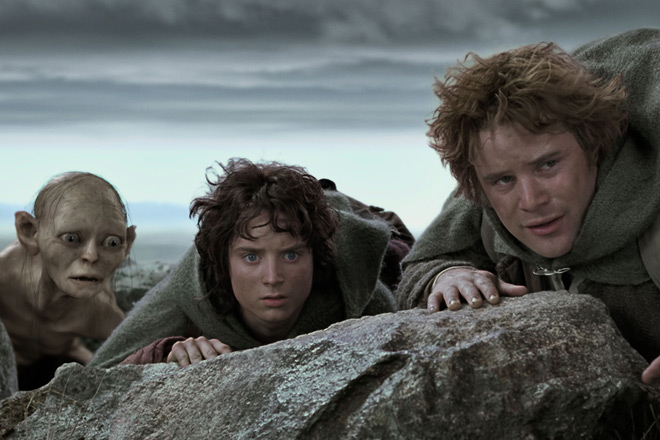
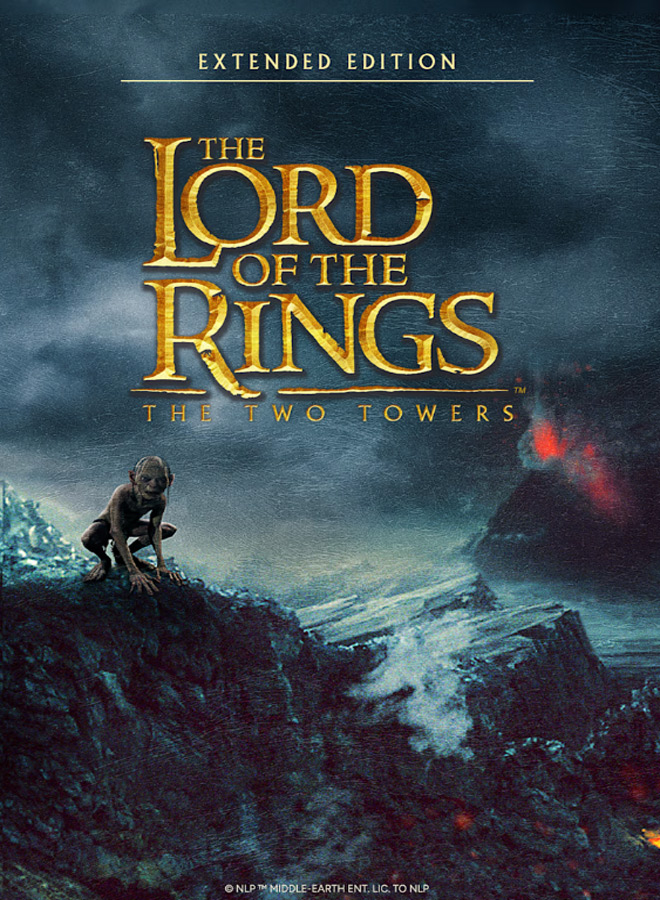
Fanfare like never before, you still cannot ignore that many purist readers of Tolkien’s writings would argue that The Two Towers took many liberties with diversions from the source material. Proof that you cannot please all the people all of the time, you can still respect their opinions. That said, from a moviegoer’s point of view, The Two Towers stays true to the spirit of Tolkien’s original story. Furthermore, if you are a real lover of The Two Towers film, you most likely adore the extended edition, which adds a whopping 44 minutes of footage not included in the theatrical cut.
Hard to imagine, the extended edition of The Two Towers adds even more time than The Fellowship of the Ring extended edition, but The Lord of the Rings: The Return of the King extended edition trumps it all (which has an extended version with over 50 minutes!). A true test of one’s attention, there have been several opportunities to see all three extended editions in a theatrical setting over the years, with the most recent happening in 2026.
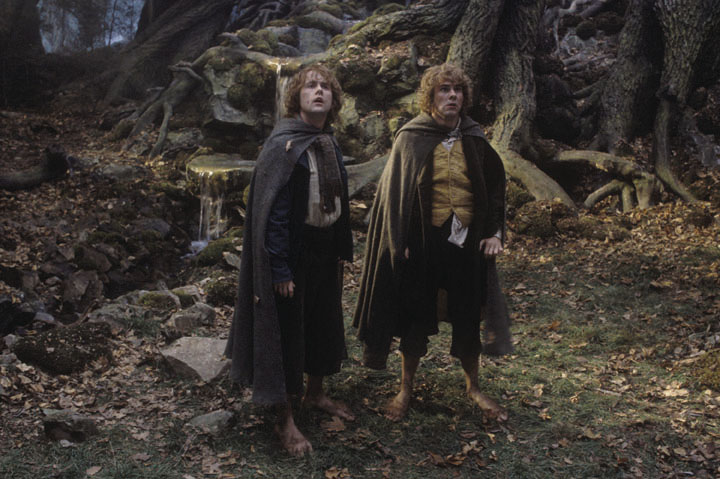
A part of the 25th anniversary celebration of The Fellowship of the Ring, the entire trilogy is out in theaters in its extended format in 4K Ultra HD at AMC Theatres and Regal Cinemas throughout January. First, The Fellowship of the Ring runs from January 16th through February 5th (with tremendous crowds swarming theaters), followed by The Two Towers from January 17th through February 5th, and The Return of the King wraps up from January 18th through February 5th.
A great way to start a new year, the bonus is that select theaters are offering a limited-edition 25th-anniversary Collectible Map Tins (at AMC) and “One Ring” concession vessels (at Regal), plus each film features a personalized pre-recorded message from Peter Jackson himself. Magical, fun, and exhilarating, do not miss a chance to attend these special events before it is too late. That is why Cryptic Rock gives Fathom Entertainment’s theatrical re-release of all of them, and particularly in this case, The Two Towers, 5 out of 5 stars.



)
No comment