

The life of someone who picks an artistic path as a career is always uncertain. Faced with unknowns, ultimately, it is the passion and urge to create that drives this type of personality.
For Troy Van Leeuwen, the road to success in music has been an interesting one, filled with many twists and turns along the way. With over forty years of experience playing guitar, Van Leeuwen has been a part of numerous projects as a session player and was also an integral part of A Perfect Circle for their massive 2000 debut album, Mer de Noms. From here, becoming a part of Queens of the Stone Age during their Songs for the Deaf tour in 2002, Van Leeuwen has become a cornerstone of the band, holding the longest tenure among members, behind Founder Josh Homme.
A wild story of determination and passion, Van Leeuwmen has even delved into the world of soundtrack composition, including his work on the music for the Sci-Fi Thriller Roswell Delirium. A new challenge for the seasoned musician, Troy Van Leeuwmen himself sat down to discuss the experience, his time with Queens of the Stone Age, the trajectory of music in the modern world, and more.
Cryptic Rock – You have sustained a long, very eclectic, diverse career in music. Working with many different artists through the years, you have been a staple with Queens of the Stone Age for over two decades. Before we dive into everything, how would you describe your journey in music to this point?
Troy Van Leeuwen – I would describe it as being very fortunate. I’ve been able to maintain making music and also making a living through this crazy, chaotic music industry, which seems to be changing completely every eighteen months.
I would say fortunate is the first word that comes to mind, because it gets even more and more challenging to be able to make a living and also continue to be creatively satisfied.
Cryptic Rock – Right. Given your professional involvement in music over the years, you have witnessed a dramatic change. Physical formats have largely given way to digital formats, except for vinyl, to a certain extent, but that is a very niche market.
Otherwise, it appears that streaming services have somewhat marginalized the art form of music. It does not seem like music is being absorbed the way it should be.
Troy Van Leeuwen – I would totally agree with you on that. When you have everything at your fingertips and you can take it or leave it with a swipe to the left, basically, you’ve got an oversaturation. Basically, anyone can make music on an iPhone, even these days.
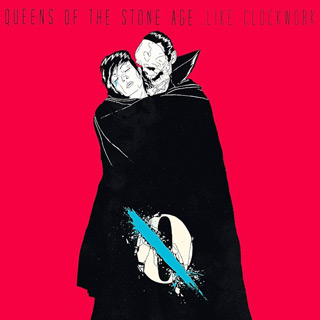
Queens of the Stone Age happens to do a lot of business with vinyl because we take our time with the artwork, and we make it cool. We make different versions of a limited edition of a booklet with lyrics. For me, someone who grew up with vinyl, I love that kind of tangible connection to the music. I still try to make time to listen to full records. But it just seems like the world spins faster and faster, and more stuff just gets left behind. There’s a lot of good music that people can’t even find because it’s so saturated.
You don’t really make money off of records anymore. So then you have to go out and tour, like what I’m doing right now, which I love, of course. Being able to travel, play music, and make a living is the dream.
Cryptic Rock – It certainly is pretty wild. It seems that the current way music is consumed is harming the art in many ways. Fortunately, some fans still appreciate it and yearn for it.
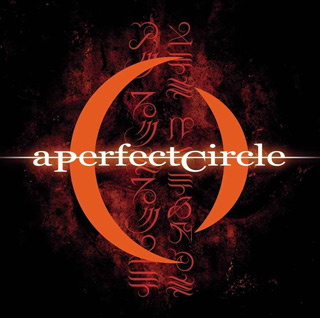
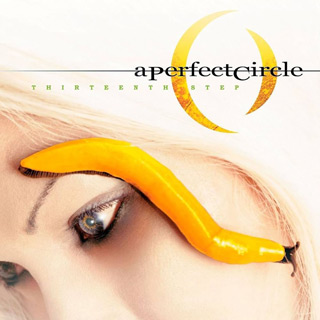
As mentioned, you have been a vital part of the Queen of Stone Age for a long time now. Just looking back at the last two decades, you were a part of A Perfect Circle as well for the first two albums, 2000’s Mer de Noms and 2003’s Thirteenth Step. Your career has been like chapters in a book, considering all that you have accomplished.
Troy Van Leeuwen – For sure. Yeah. I would say that the chapter of A Perfect Circle was a really good experience. I basically transitioned from being a studio rat to selling millions of records in a couple of weeks, back when records could sell that much before they fully transitioned to digital.
It was right on the cusp of when MP3 started showing up. It was right around the birth of Napster, and it was like watching an empire slowly die.
With Queens of the Stone Age, it sort of was like starting over. The popularity of the band wasn’t as big as A Perfect Circle, so that’s the kind of challenge that I like, because for me, it’s about the music. And I love the music of Queens of the Stone Age.
It’s been this really steady climb to continue making and selling art and being able to play it for people. The audience has somehow continued to grow throughout all these crazy changes from Napster to Spotify.
It’s been a really interesting, cool experience because you’re basically having to reevaluate the business. You are going through different record deals, and also, there is the resurgence of vinyl, which has been an interesting sort of experience. Yeah, you’re not going to make your house payments selling vinyl, but it’s a fun sort of expression.
That is where we find ourselves 20 years later. Again, I think we’re fortunate to be able to still have an audience that comes and buys the merch and buys the vinyl. Somehow, we still keep reaching a newer generation, which is really great.
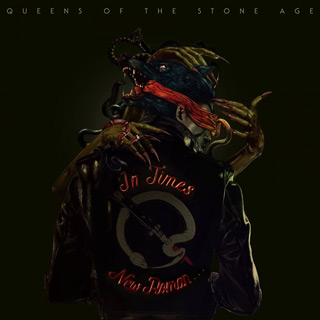
Cryptic Rock – That is all very positive. At this stage, Queens of the Stone Age have a loyal and dedicated fan base. The band released the studio album In Times New Roman… in 2023, and now you are out on tour. In between all of this, you have also composed music for film soundtracks. What inspired that direction?
Troy Van Leeuwen – I’ve always loved the music for film. To me, it’s almost half the story, and it was just always something I wanted to get into.
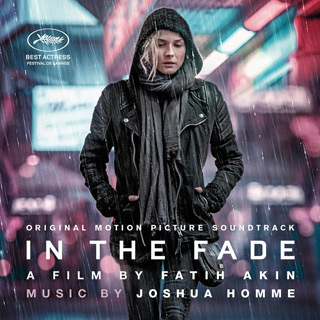
The first experience I really had was about seven years ago. Josh Homme and I, along with Michael Shuman from Queens of the Stone Age, collaborated on a score for the film In the Fade (2017). That was a really interesting experience because we were just finishing Villains (2017).
We were in our studio. Alan Moulder was mixing the record, and we were in the other room composing this music. It seemed to be quick for us. It was a speed of inspiration, like watching the movie and just coming up with something right there, because we had a very short window of time. Then we would go and listen to mixes of the record, and then come back. It was a lot of hours just being completely immersed in music. That was a really fun experience, and it turned out great.
Ever since then, I’d just been itching to do more and more. When I got the opportunity to do Roswell Delirium, it always seemed like I had these very short windows and very limited time to do things, but I really wanted to do it. I took a chance because I was on the road doing most of it.
It is something that I really enjoy doing now, and it’s something I want to do more of. It was another really interesting experience for me. It was the first time I did it by myself, without having a studio. You’re left with the limitations of your laptop, which isn’t that limiting, to be honest. However, I prefer to collaborate with humans. For me, the challenge was just coming up with everything on my own.
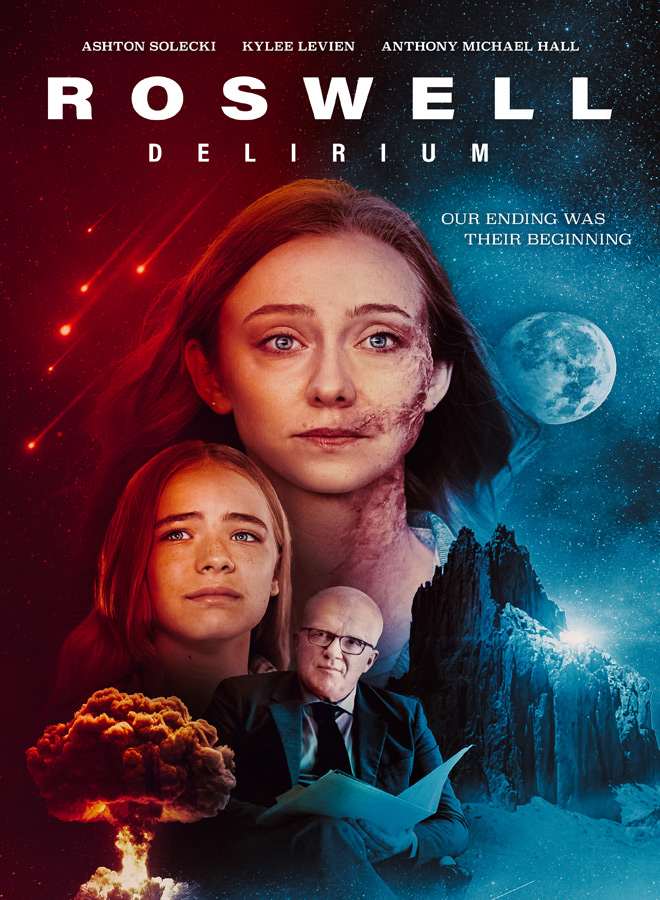
Cryptic Rock – Very interesting. Were you presented with Roswell Delirium to watch and create the music?
Troy Van Leeuwen – Yes, Rick Bakewell gave me a rough edit early on. He was great to work with because he gave me a spreadsheet of every scene with some temporary music attached to it. That really helped with my understanding of what the story he wanted to tell and the story that I wanted to add to with the music.
We were very collaborative that way. He seemed to really have a definite idea of where the film should go musically. That was helpful for me.
Cryptic Rock – It all came out well, and the music, like you said, helps the movie. It helps every movie. Without music, movies fall flat, especially in Science Fiction or Horror films.
Troy Van Leeuwen – Absolutely. I couldn’t agree more. Somebody sent me this meme of this trailer of The Shining (1980), and they changed the music to be almost rom-com-ish. And it just flipped the whole movie upside down for me, watching this made-up trailer.
It just goes to show you how much the music can change something, especially that movie, which is a complete masterpiece to me, musically and visually.
Cryptic Rock – Yes. It changes the complete mood. Remove the music from Halloween (1978) or Friday the 13th (1980), and the tension isn’t there anymore.
Troy Van Leeuwen – Yeah. I was watching a documentary about The Exorcist (1973) the other day, and the director, William Friedkin, was talking about the music. I was fascinated because to me, that’s another masterpiece. The music they picked, “Tubular Bells,” is spooky and chilling, yet sweet-sounding, and captures the vibe for setting up that movie.
Cryptic Rock – 100% true. Moreover, the music is something you always associate with The Exorcist.
Troy Van Leeuwen – You can’t hear it without thinking about the scene in the film of walking down the street in the fall weather and walking past the church with the nuns and the children. It’s less of a Horror movie and more of a unique piece of work.
Cryptic Rock – It is interesting to see how the music truly shapes the film. So you are obviously a fan of soundtracks.
Troy Van Leeuwen – It’s a combination. Listening to some of John Carpenter’s music and watching his films, such as Halloween, The Fog (1980), and The Thing (1982), which were all references used in Roswell Delirium.
Not only is John Carpenter making the film, he’s composing the music. I thought that was a really interesting thing. He actually goes out and plays this music on the road as well. He is a real musician. His work has inspired me.
Cryptic Rock – Yes. John Carpenter plays a fantastic show with his son Cody Carpenter and his godson, Daniel Davies (the son of The Kinks’ Dave Davies).
Troy Van Leeuwen – Yes! I was on a tour with his band Year Long Disaster. My wife and I have a band called Sweethead, and we did a co-tour together; we got along like a house on fire. I love that John Carpenter goes out and plays that music on the road. It’s amazing.
Cryptic Rock – Agreed. It seems like it was a good experience working on Roswell Delirium.
Troy Van Leeuwen – Yeah, it was for me because Rick made it very easy for me as a first-time kind of solo scorer composer.
Honestly, I worked within the confines of just my laptop and a MIDI keyboard. When it comes to strings and when it comes to certain instruments, he wanted strings on certain things. And I was like, “I don’t know about using sampled strings.” So, I really had to dig into sort of digital instruments and sampling, and I had to really reimagine it for it to sound not computer-based. Sometimes you have to really change things up to make it sound more interesting and more human.
That was really a challenge for me because I was like, “I don’t have any time.” Frankly, there was barely a budget to go in and record a string section, especially when you’re out on the road and you know you have a day off in Milan. I wasn’t able to find players that I could jive with, and there would be language barriers, etc.
It really forced me to make decisions that make it sound better. I was surprised that he would say, “Oh, yeah, this is great” when I would send him a rough mix. I love challenges. So that was definitely one.
Cryptic Rock – It is always good to accept a challenge and find success. You mentioned this film had a smaller budget. It’s great how a smaller-budget film like Roswell Delirium can come together with a quality story, soundtrack, and a cast of individuals everyone knows.
Troy Van Leeuwen – Yeah. To me, that was sort of the whole you know attraction. It was not only just kind of cracking the seal on being a composer, but it seemed everybody involved with the film kind of reminded me of what it takes to be in a band. You have this family that everyone’s doing things towards this goal. They’re putting their egos in the back seat, and they’re saying, “Well, this is worth it when there’s no budget to do something you know fascinating and interesting.”
I think the film turned out really, really good. I see all the cast members doing what they can to promote it and to get it this far. I believe it’s going to go even farther. Sometimes, when it comes to a record cycle, you get a window of time where it’s like the record’s new, and then you get three months to promote it, and then everyone starts forgetting about it unless you do something interesting to keep the interest there. It seems like that’s kind of happening with the film as well. I think I had it in score around two years ago. It still has a life, which is good.
Cryptic Rock – Yes. Roswell Delirium is picking up more traction. It was released earlier in 2025 and is now available for streaming. Hopefully, the soundtrack will get a wider release.
Troy Van Leeuwen – It doesn’t at the moment, and I’m talking to a few people about doing something with the soundtrack because I have to live with my work. I’m still listening to it, even without the movie, just to see if it’s something that I want to be released. I’m considering getting a label to do that.

Cryptic Rock – That is something to look out for. Beyond this film score, you have been busy with Queens of the Stone Age. You are out on tour with the band now. What else do you have coming up next?
Troy Van Leeuwen – Well, I’m always looking to do more scoring. And I’ve been talking to Rick and his producer, Glenn Evans, about whatever the next project might be. They seem to have some ideas, and I’m waiting in the wings for them.
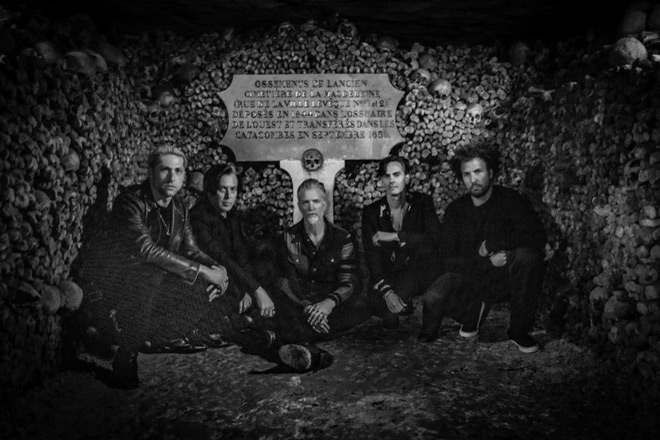
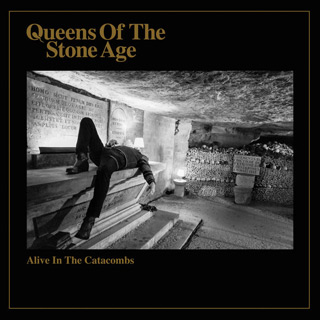
In the meantime, with Queens of the Stone Age, we just released this film, Alive in the Catacombs. It is a short kind of performance film of us in the catacombs of Paris. We are also about to announce that we are pressing a vinyl of it… because all of our fans love the vinyl.
The music just got released, and we’re talking about doing some performances around the world, maybe this year. It’s more of an acoustic performance, and we brought in a string section to do most of the melodic ideas. We reimagined our songs, and we’re playing them in the catacombs in the film. It’s a pretty dramatic experience being down there for 14 hours filming, playing, and really doing the opposite of what we do normally, which is our rock band with the lights and the sound. This was super intimate and pretty melancholy. We’re pretty proud of it.
Alive in the Catacombs recently came out, and it’s starting to get some traction as well. There’s going to be a lot of music coming up. I’m looking forward to that and whatever Rick has up his sleeve for what’s next.
Cryptic Rock – That is all very exciting. The film you are referring to, Alive in the Catacombs, is now available for purchase or rental.
We discussed how the music industry has changed and how people’s listening habits have changed. It feels like the music listening experience has been watered down. You mentioned how you enjoy human interaction. This raises an interesting point that ties in human intervention and the changes in the music industry.
Remember when Metallica was extremely vocal about their opposition to Napster, and everyone looked at them like they were absurd and greedy. Well, in hindsight, they saw the writing on the wall. In the same breath, does it feel like history is repeating itself with the widespread acceptance and usage of artificial intelligence in film, and no one wants to heed the warnings?
Troy Van Leeuwen – It very much reminds me of that. It’s funny to think about this when it was happening to the music industry. Basically, people were stealing the music. That’s the way we saw it, because we come from the generation where we all bought music, and you really had to go to the record store, and you had to sift through everything. I love to do that, just looking through vinyl to see, “Oh, this record cover looks interesting.” Then you had to take a chance, spend the money that you worked at the pizza parlor for 12 hours to buy music.
To us, when everything started happening, it was like, “Cool, you spent all this money, and you spent months of your time making this piece of art… and just take it.” It was a very bizarre sort of thought process in the beginning. The labels weren’t there to stop it. They were just sitting back, basically, collecting checks and letting us work for it. We watched the music industry basically crumble. And now it’s happening with the movie industry.
It seems like nobody took the initiative to do something about it. Now that we have AI, which is just insane to me, you have to protect your own image now. You have to make sure that they don’t use your image. We need lawyers to basically protect us from letting ChatGPT use our likeness without our permission.
I just feel like Pandora’s box is already open. So, I don’t know what else we can do to really stop it. I’m at this point personally where I feel, “Well, do I embrace this or do I fight against it?” It’s like a Wild Wild West cubed. I see it happening. I guess we’re just going to have to depend on each other as artists to keep that human spirit alive.
I guess if you wanted to score a movie, and you could prompt whatever AI program, you could score a movie just by saying, “Hey, I want this element. I want John Carpenter with John Williams. And can you make it more…?” It’s all about the prompting. I guess we’re just going to have to see how this all shakes out. What do you think?
Cryptic Rock – It is scary. It is frightening from an artistic standpoint. It is also frightening from the perspective of humanity; this is another step towards the human race diminishing into nothing.
For example, you outlined how people used to work hard to make money to buy a record. It was a big thing, and you cherished that album. You didn’t move on to the next thing; you lived with it, and it became a part of you.
You could argue that the modern mentality is feeding into shorter attention spans. It leads to a diminished appreciation for everything in life. When corporations are involved, they will naturally take advantage of a technology that allows them to create what they want without incurring any costs. It just waters everything down. It is even more unsettling for the youth of the world who are growing up with this. We need to teach them how to be human, appreciate art, and not take things for granted.
Troy Van Leeuwen – Boy, that was a great answer. I couldn’t agree more. I have a small son. I love him so much, and I spoil him. However, in order to get that lesson across, you sort of feel a little bit old trying to explain it to a six-year-old. I couldn’t agree more, though, with that lesson.
It just feels like, “Well, I really just want this, and I want nobody in my way to get this thing.” And that’s dangerous to me. That’s why I say I like my band a lot, and I love my band members, and we make this thing that we capture in a room together. A great example is there’s one song we tracked five years ago that was completed in two takes. We were all in the room playing together. Then we found ourselves going, “Well, if we could have done this, we could have done that.” And then we tried a bunch of other things for this song; re-recording it and trying to get a better sound, but it just couldn’t match up to the magic that was happening in the room.
At the end of the day, you’re trying to capture lightning in a bottle. And to me, that feels better. It connects with other humans. For me, that’s where I’m going. I’m going to continue to collaborate with actual people.
So, I’m staying away from it. I don’t have ChatGPT. You get your phone, and it’s like, “Oh, there’s Apple intelligence already there. Go ahead. Start using it.” And I’m just like, “No.” It’s difficult to just watch it. It’s not difficult for me to stay away from it because I love what I do, and I’m always challenging myself and my peers. It is hard to watch it everywhere.
I don’t know what to do about it. I’m going to sit and watch, and judge the situation as it unfolds.


No comment