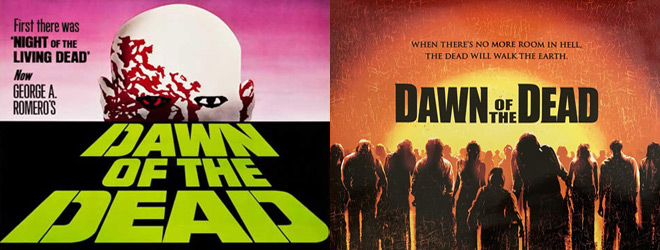
In the realm of horror remakes, few spark as much debate as 2004’s Dawn of the Dead. Zack Snyder’s reimagining of George A. Romero’s 1978 classic, some balked at the end of remaking the film, while others are a little more open to it. While Romero’s film is heralded as a seminal work in zombie cinema, Snyder’s take offers a thrilling, high-octane approach. Both films share the core premise—survivors taking refuge in a shopping mall during a zombie apocalypse—but their execution and storytelling goals differ dramatically.
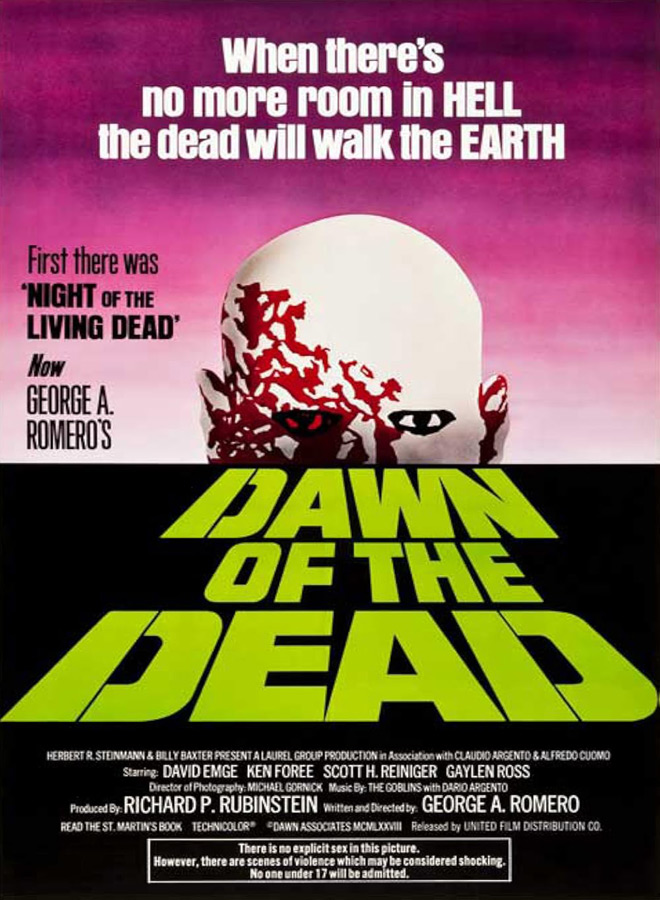
Simply put, George A Romero’s Dawn of the Dead is iconic and a key film in the development and evolution of the Horror film genre. Romero used Horror as a vehicle for social critique, and Dawn of the Dead aimed at consumer culture. The zombies mindlessly roaming a shopping mall reflected the materialistic habits of the living, a sharp critique of capitalism and American excess in the late 1970s. This layered storytelling elevated horror from mere thrills to meaningful allegory, influencing later filmmakers like Jordan Peele ( for 2017’s Get Out) and John Carpenter (for 1988’s They Live).
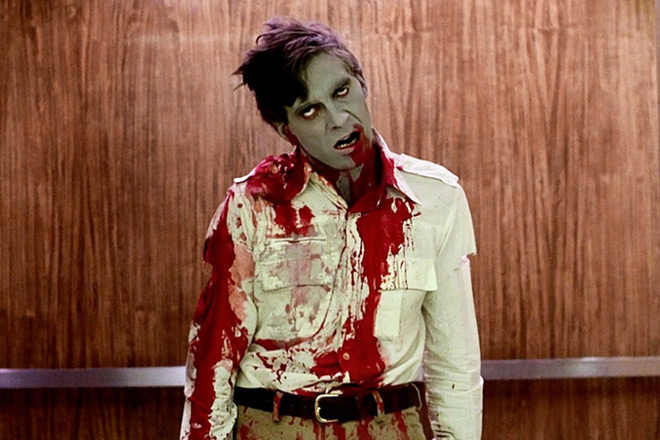
Not only was Romero crafting a broader social message, but Dawn of the Dead broke new ground with its practical effects. Tom Savini’s masterful special effects set a new benchmark for gore in horror cinema, delivering shocking, hyper-realistic violence—from decapitations and gut-munching to explosive head wounds—that had never been seen at this scale before. This visceral, boundary-pushing approach solidified Dawn of the Dead as an exploitation classic and laid the foundation for the graphic Horror boom of the 1980s, influencing films like 1981’s The Evil Dead and 1982’s The Thing.
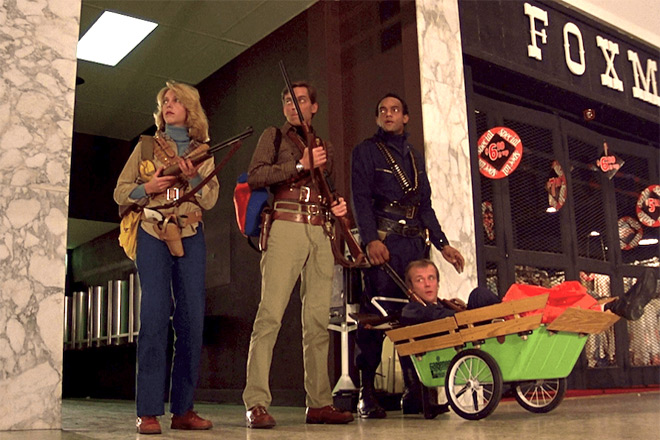
Furthermore, Romero’s protagonists are ordinary people who, despite their flaws, work together to create a semblance of stability. The film’s slow pacing allows for character growth, particularly in the evolving relationship between Fran (Gaylen Ross) and Peter (Ken Foree). Themes of consumerism are overt; zombies shuffle aimlessly through the mall, mirroring the mindless habits of the living. The survivors, too, become trapped by materialism, hoarding goods while ignoring the world outside.
The success of Dawn of the Dead proved that Horror could be profitable and socially relevant, helping fuel the explosion of horror films in the 1980s. It also set the stage for future zombie media, from The Walking Dead to Resident Evil. Its DNA can be seen in every modern zombie film, from the fast-movie zombies in 2002’s 28 Days Later to the 2016 international hit Train to Busan.
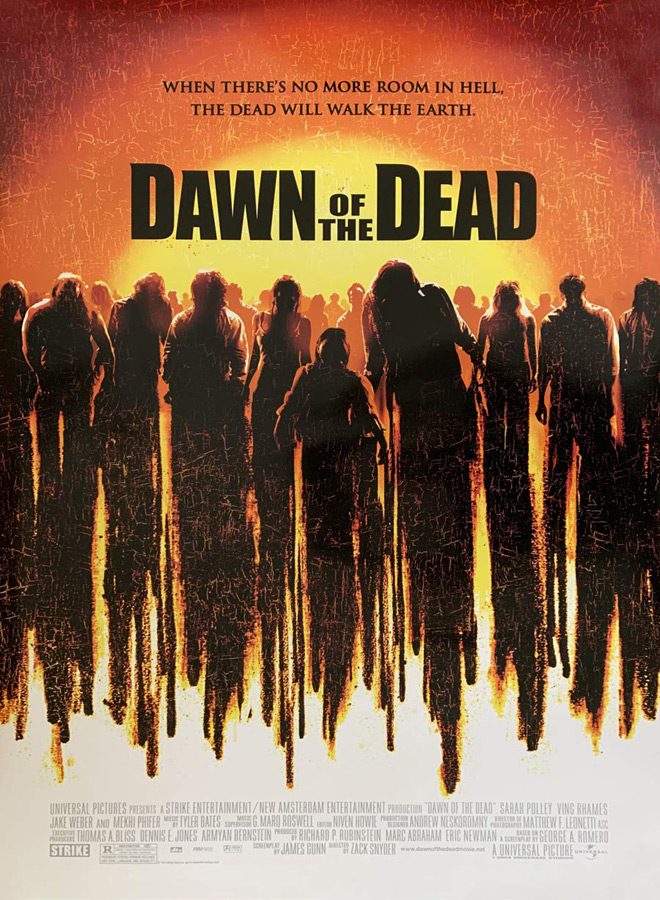
Meanwhile, Snyder’s 2004 version of Dawn of the Dead reflects the movie styles of the early 2000s – it is dramatically more graphic and intense, with fast editing and modern special effects making the kills brutal and shocking. Made for the contemporary Horror fan, this high-adrenaline experience trades the slow-burning dread of Romero’s original for relentless action and visceral thrills.
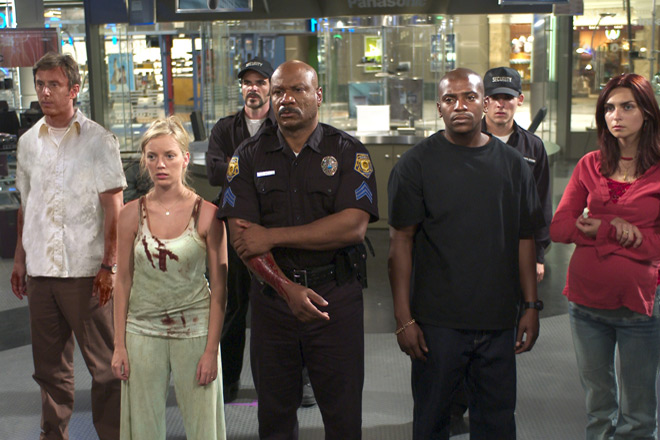
In Syder’s film, the fast-moving zombies amplify the tension, forcing the characters into constant motion and high-stakes confrontations. This is a gripping, pulse-pounding take on the zombie apocalypse that embraces spectacle, dynamic cinematography, and an unrelenting pace. While it may sacrifice some of its predecessor’s more profound social commentary, it delivers a brutally entertaining and visually striking Horror experience.
Snyder embraces a more action-oriented approach to character dynamics. While there are moments of emotional depth, particularly with Sarah Polley’s Ana and Ving Rhames’ Kenneth, the film prioritizes high-stakes decision-making and external threats over internal conflicts. The thematic elements of consumerism are more subdued, replaced by a general commentary on societal breakdown and human desperation.
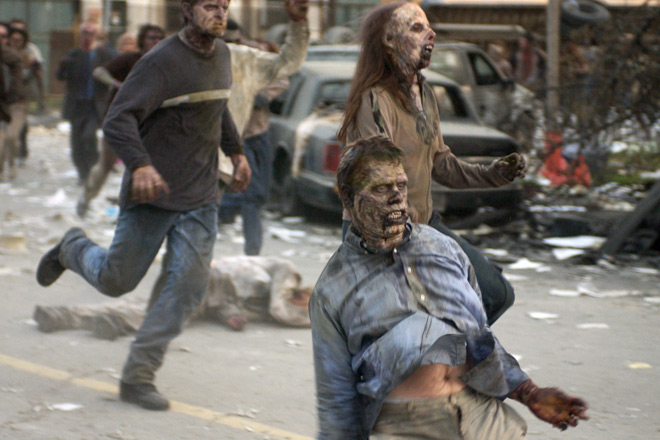
As stated, the core premise remains the same, but beyond that, these two films diverge significantly in tone, style, and intent. These films cater to vastly different Horror fans—those who appreciate methodical storytelling and subtext may gravitate toward Romero’s original. At the same time, those who crave intense, fast-paced scares will likely prefer Snyder’s remake. Both films offer something unique, making Dawn of the Dead one of horror remakes’ most fascinating case studies.


No comment